Bad agency relationships almost always have visible warning signs before the contract is signed. The problem is that most business owners don't know what to look for. They see a professional website, hear confident promises, and take the sales call at face value.
By the time the warning signs become undeniable, money has changed hands and the project is already in trouble.
This guide covers the signals you can read before you commit. None of them require technical expertise to spot. All of them are things you can check in a single conversation or a thirty-minute review of their online presence.

Red Flag 1: They Talk About Design Before Understanding Your Business
What should happen in the first meeting with a web design agency?
The first conversation with a good agency involves a lot of questions directed at you. What does your business do? Who are your ideal clients? What does the website need to accomplish? What is working now and what isn't?
If an agency starts describing what your site will look like before they understand any of that, they have told you something important about how they approach projects. Design that leads strategy produces sites that look impressive and perform poorly, because they were built around assumptions instead of understanding.
The sequence matters. Discovery comes before design. An agency that skips or rushes discovery is planning to build what they think a site should look like, not what your business actually needs. This single observation, in the first fifteen minutes of a conversation, will tell you more than any portfolio.
Red Flag 2: The Price Is Suspiciously Low
Why is an unusually cheap web design quote a warning sign?
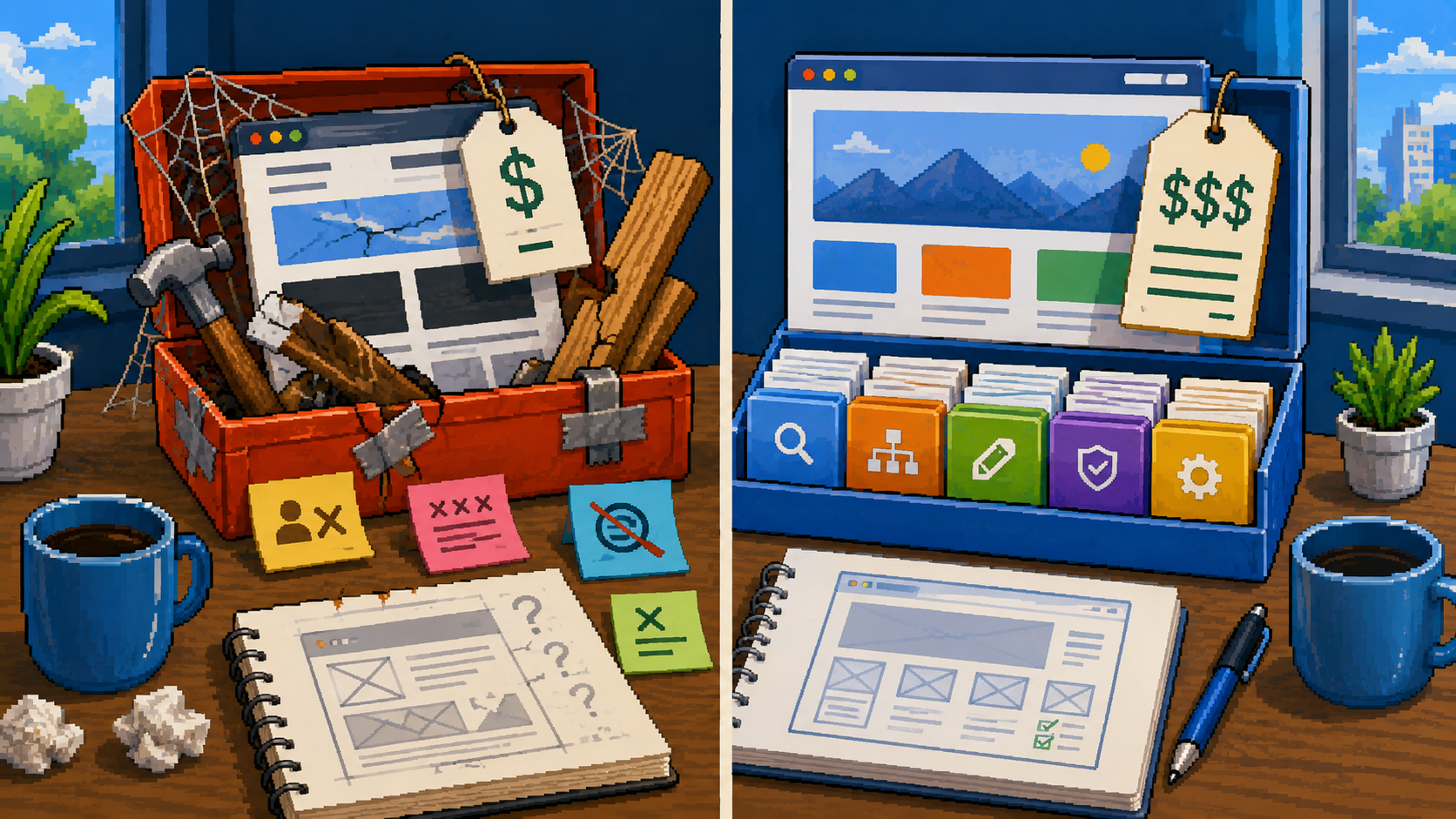
A professional agency has real costs: the time of experienced people, project management, quality assurance, and the ongoing business infrastructure required to deliver and support projects reliably. A quote that seems dramatically lower than the market rate for comparable work means something is being left out.
It might be the strategic thinking. It might be the SEO structure. It might be the revision rounds. It might be that the work is being subcontracted to a team the agency has never met. Any of these produces a different outcome than what was discussed in the pitch.
Businesses that invest in professional website design see an average ROI of 200% within the first year. Businesses that go the cheap route spend an average of three times their initial investment fixing problems and eventually rebuilding. Getting it right the first time almost always costs less in total than fixing a cheap website that doesn't perform.
This is not an argument that expensive is always better. It is an argument that a price which seems too good to be true deserves a specific conversation about what is actually included.
Red Flag 3: They Can't Explain Their Process in Specific Terms
What does a reliable web design process look like?
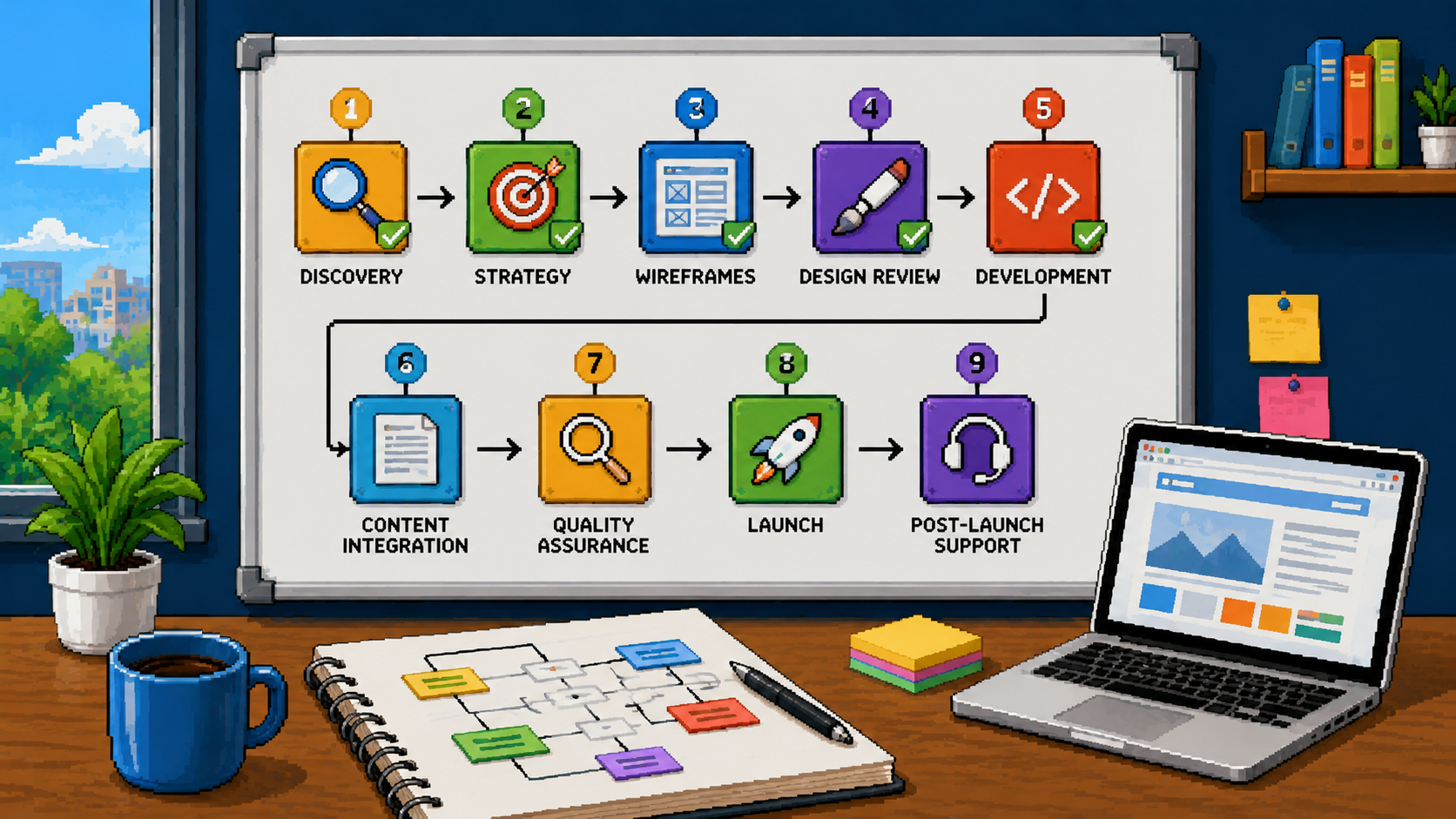
Every professional agency should be able to describe, in concrete steps, how a project runs from first meeting to launch. Discovery, strategy, wireframes, design review, development, content integration, quality assurance, launch, and post-launch support. Each stage has a purpose, a deliverable, and a timeline.
An agency that responds to "can you walk me through your process?" with vague language about collaboration and creativity doesn't have a documented process. They are improvising.
Without a clear process, there is nothing keeping the project on track when something comes up. No milestone structure. No accountability points. No clear owner for each decision. Projects without process typically run late, run over budget, or produce something that doesn't match what was discussed.
Ask this in your first meeting:
"Can you walk me through exactly what happens between our first call and the day my site goes live, step by step?" Count the specific, named stages in the answer. A professional agency gives you at least six. Anything fewer is a warning.

Red Flag 4: Their Own Website Is Slow, Unclear, or Hard to Navigate
Why does an agency's own website matter?
An agency's own website is the most direct evidence of the quality of work you can expect. It is the site they had full control over, unlimited time to build, and every reason to make as good as possible.
If it loads slowly, that is how your visitors will feel about your site. If it is hard to navigate, that is the experience the agency considers acceptable. If the messaging is vague, the agency likely brings the same problem to client work.
Do this before any meeting:
Go to pagespeed.web.dev and run the agency's website through the free speed test. If their own site scores below 60 on mobile, you already have meaningful information about their technical standards. Visit their site on your phone. Read their homepage headline. Ask yourself: do I immediately understand what this agency does and who it is for?
Red Flag 5: They Show Only Screenshots, No Live Work
What should I look for in a web design agency's portfolio?
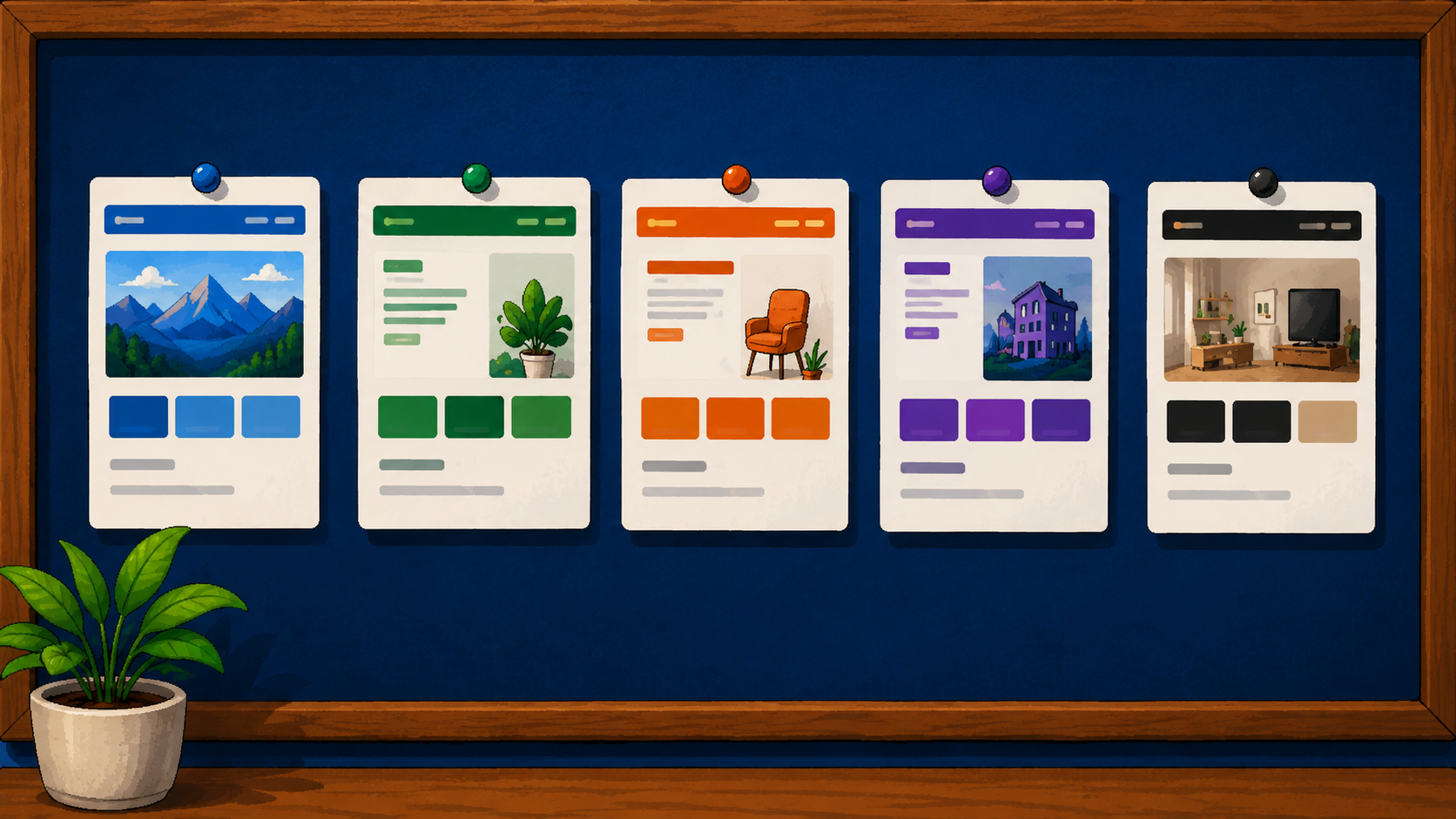
Screenshots can be curated to show only the most flattering angle of any site. They don't show load times, mobile behavior, navigation clarity, or whether the contact form actually works.
Before you trust a portfolio, ask for live URLs. Visit every site they show you. Load it on your phone. Read the homepage. Try to find the contact page. Run the URL through a speed testing tool.
An agency that can't provide live URLs for portfolio work, or whose portfolio consists primarily of template mockups and concept renders rather than live client sites, is showing you something important about their track record.

Red Flag 6: Ownership Terms Are Vague or Absent From the Contract Who should own my website after the project is complete?
You should. Completely. Without exception.
This means you own the domain name, registered in your name through your own account. You own the design files. You own the code. You own all content created for the project. Upon final payment, you should be able to take everything to a different agency or a different host without losing anything.
Some agencies build on proprietary platforms or register client domains in their own accounts. This creates a dependency that can be exploited if you ever want to move. Some contracts contain clauses that retain the agency's licensing rights to the design or code.
Ask directly before signing:
"If we part ways after this project, do I own everything? The domain, the code, the design files, everything?" If the answer involves any hesitation, qualification, or complicated explanation, you do not have full ownership. That is not a minor contract detail. It is a business risk with long-term consequences.
Red Flag 7: Communication Is Already Slow or Evasive
Why does how an agency communicates before the project matter?
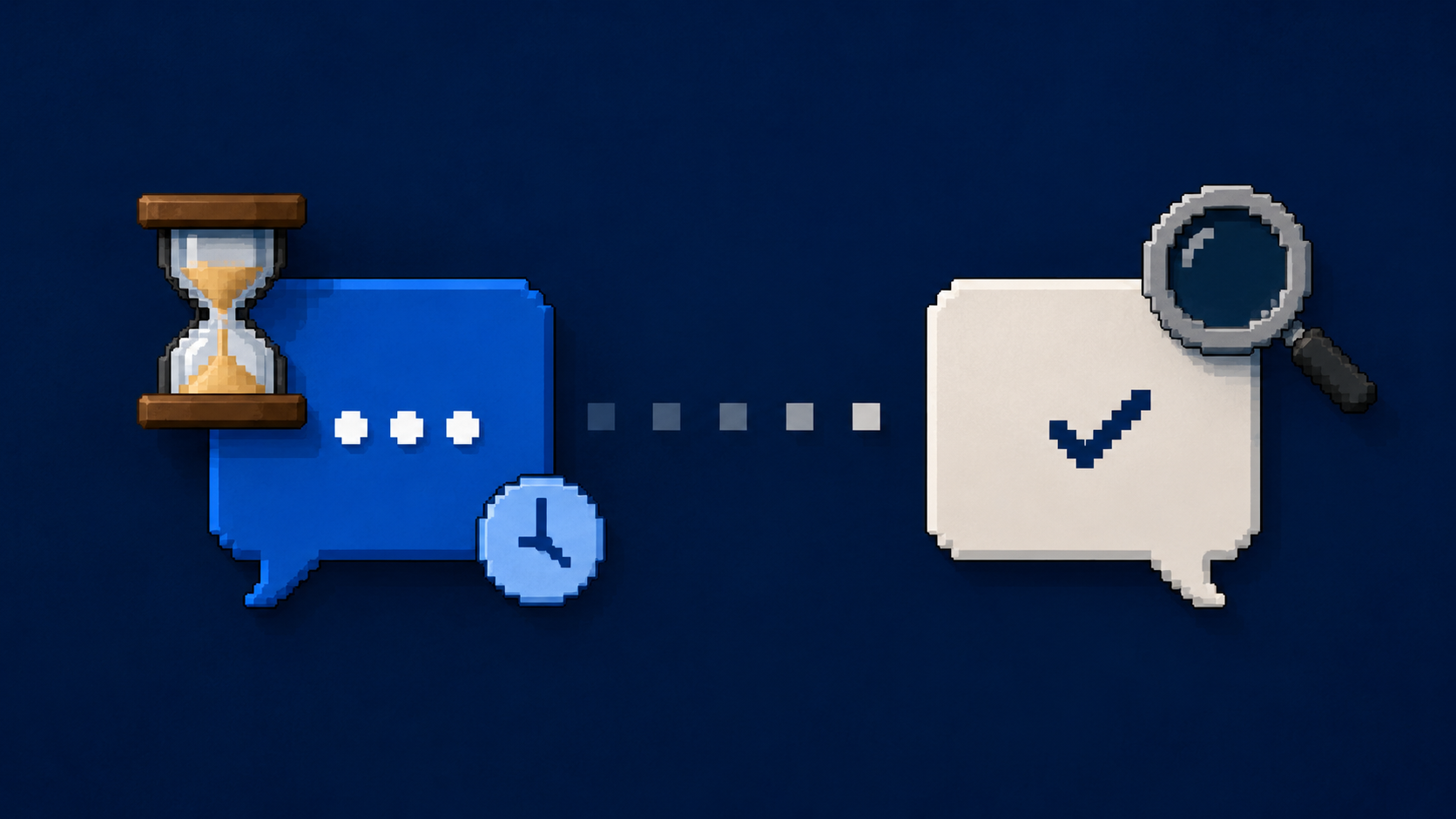
The way an agency communicates during the sales process is the most reliable preview of how they will communicate during the project. If they are slow to respond to emails before you are a paying client, they will not become faster once you are.
Warning signs to watch for: delays of more than one business day on responses during the proposal stage, answers that don't directly address your questions, a reluctance to commit to specific timelines or deliverables in writing, and a tendency to steer every conversation back to their capabilities rather than your requirements.
A professional agency values clear communication as much as good design. Because they know from experience that most project problems are communication problems.

Red Flag 8: The Senior Team Pitches But Junior Staff Delivers
How do I know who will actually work on my project?
At larger agencies, the partner or senior director who impresses you during the pitch often hands the project to a junior designer once the contract is signed.
Ask explicitly:
"Who will be designing my site? Who will be developing it? Can I meet them before we sign?" A transparent agency will arrange this without hesitation. An agency that deflects, says it will be determined later, or implies senior involvement without being specific is telling you that the answer is complicated.
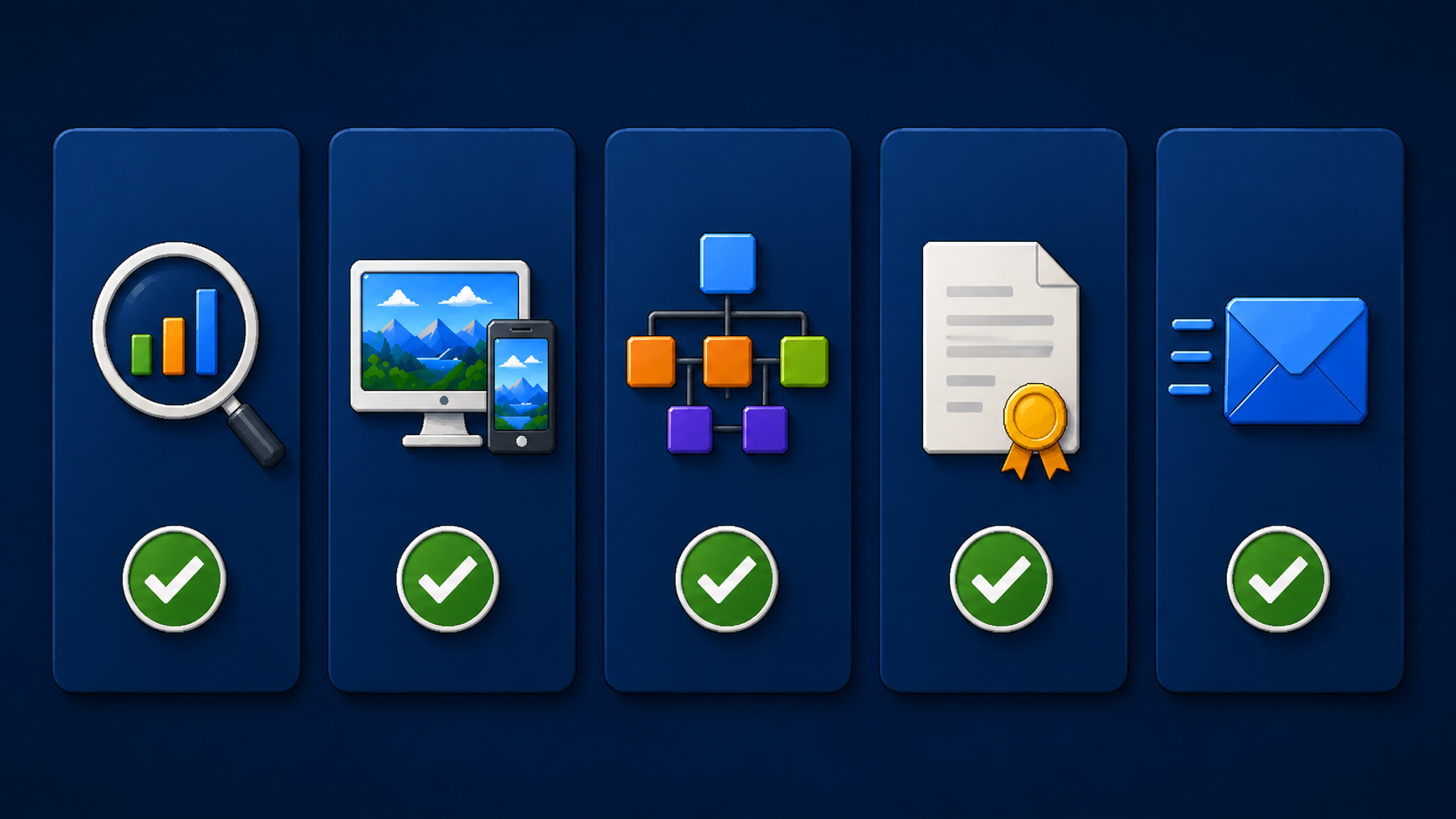
Your Pre-Signing Agency Checklist
Before signing with any agency, answer these five questions. Every answer should be yes.
- Did they ask about my business goals before describing their work?
- Can they show me live, working portfolio sites I can test on my phone?
- Can they describe their process in specific named phases with a real timeline?
- Do ownership terms confirm I receive everything on final payment, in writing?
- Did they respond promptly and directly throughout the proposal process?
Two or more numbers means keep looking.

Frequently Asked Questions