
The first meeting with a web designer tells you almost everything you need to know. Not from the presentation they give you, but from the questions they ask you, and how clearly they answer yours.
Most business owners go into this conversation without a framework. They look at the portfolio, talk about the project, and make a decision based on whether they liked the person and the price felt reasonable. That is how projects go sideways.
These twelve questions change that. Use them before you sign anything.
Questions About Their Process
What should I ask about a web designer's process before hiring?
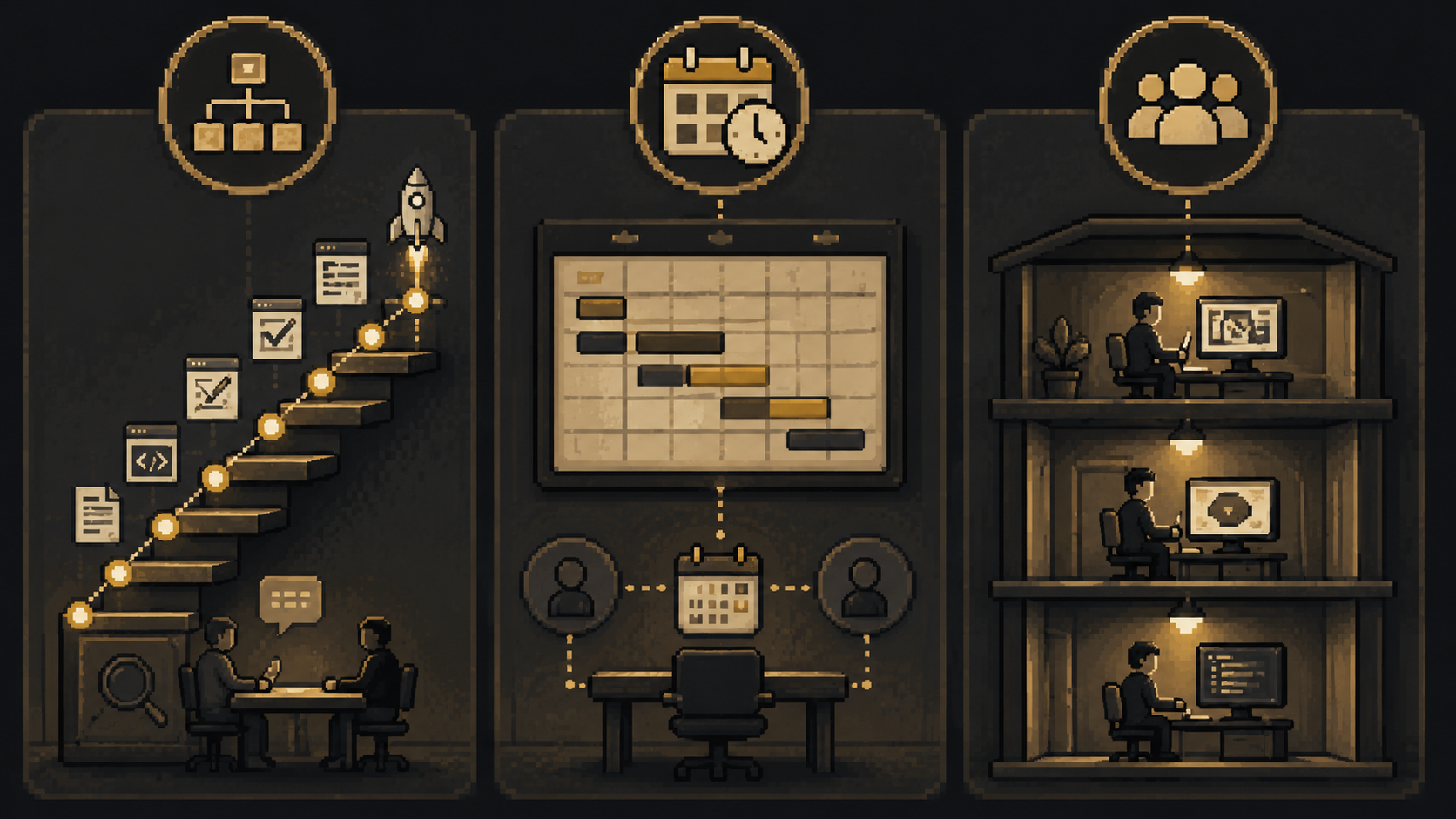
1. Can you walk me through your process from first meeting to launch, step by step?
This is the most revealing question on the list. A professional with real experience can answer this in specific terms: discovery session, strategy brief, wireframes, design review, development, content integration, testing, launch. Each stage has a purpose and a timeline.
A vague answer about collaboration and creativity without any specific stages means no real process exists. Without a process, there is nothing keeping the project on track when something comes up.
2. How long will this take, and can you give me a breakdown by phase?
"About six to eight weeks" is an estimate. An actual timeline with milestones is what you need. Ask to see a rough schedule with clear phases. When do they need content from you? When are review points? What is the launch date? Designers who can't answer this question in specific terms haven't run this project with real accountability before.
3. Who will actually be doing the work on my project?
If you are talking to a larger agency, the person in the room during the pitch may not be the person building your site. Ask directly who designs it, who develops it, and who your point of contact will be throughout. If the answer is vague, that is meaningful. You deserve to know exactly who is responsible for your project. The same applies when working remotely with a web design studio in the Philippines or elsewhere: you should have a clear understanding of who is involved and who you will communicate with throughout the project.

Questions About the Work
What should I ask to understand the quality of work I will receive?
4. Can you show me a case study with measurable business outcomes, not just a finished design?
Any designer can show you a screenshot of a finished site. The meaningful evidence is what happened after launch. Did the client see more inquiries? Better search rankings? Improved conversion rates? A designer who can speak to measurable outcomes understands that a website is a business tool, not a visual project.
5. Can you show me examples of work for businesses similar to mine?
Industry familiarity matters more than most business owners realize. A designer who has built websites for service businesses understands the client journey, the trust signals that matter, and the conversion logic that applies to your situation.
6. Can I visit the live versions of the sites in your portfolio?
Screenshots can be curated to show only the best angle of a site. The live version shows you everything: whether it loads quickly, whether it works on a phone, whether the navigation makes sense, whether the messaging is clear. Visit at least three live sites from any portfolio you are evaluating. Test them on your phone.
Questions About Ownership and Rights
What do I need to confirm about website ownership before signing?
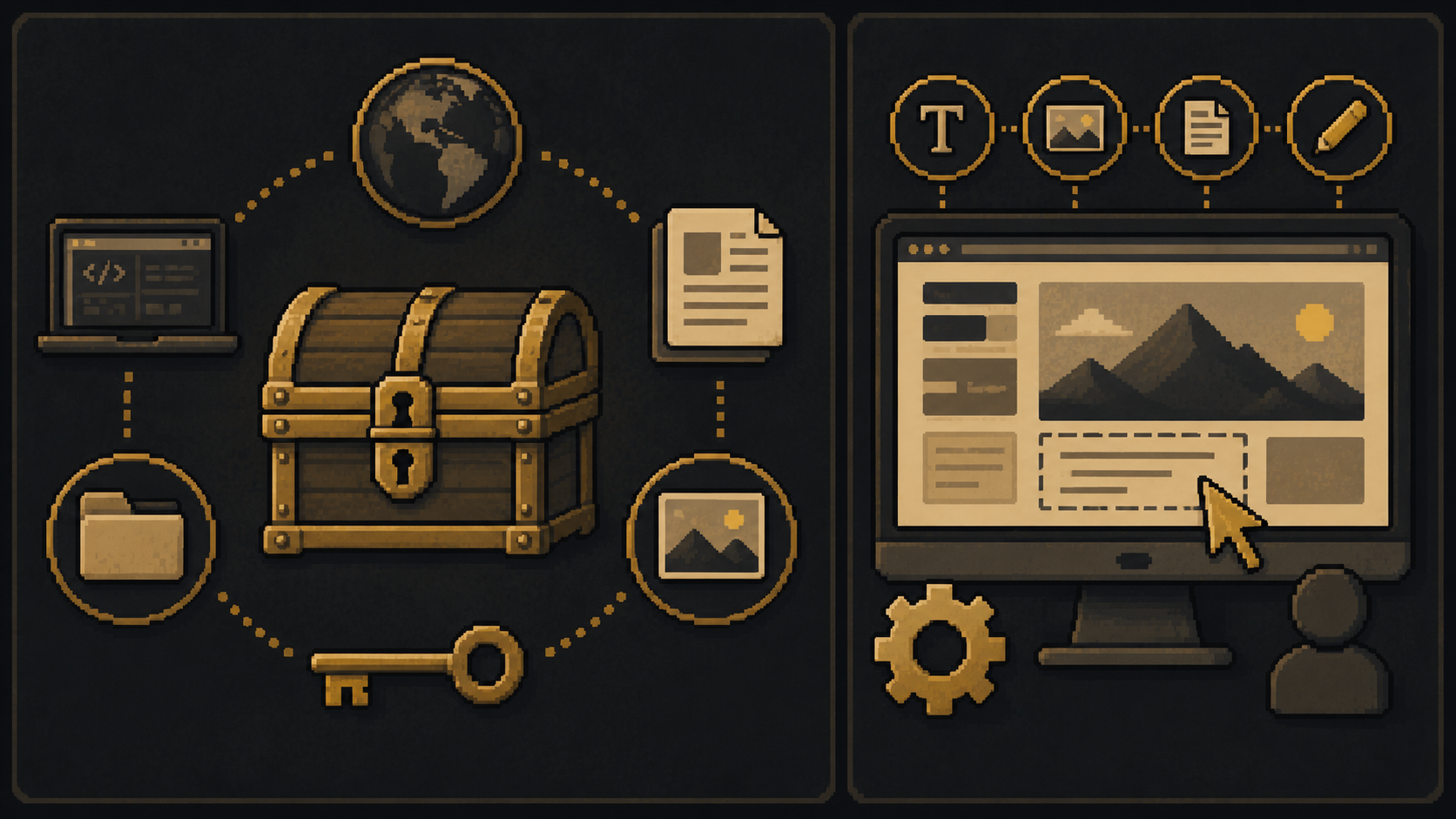
7. Will I own the domain, the website, and all the files when we are done?
The answer should be an unambiguous yes, confirmed in writing in the contract. Some designers build on proprietary platforms that make it impossible to take the site elsewhere. Some agencies register the domain in their own name. Any of these creates a dependency that can be used against you later.
You should own your domain name outright, in an account registered to you. You should receive all design source files upon final payment. You should be able to take your website to a different host or work with a different designer in the future without starting from scratch. This is non-negotiable.
8. Can I update my own content after launch, or do I need to come back to you for changes?
A website built on a proper content management system gives you the ability to update text, swap images, add blog posts, and make basic changes yourself without paying the designer every time. If a designer is building something you can't touch without their involvement, ask why and what that will cost you over time.
Questions About Support and Costs
What should I understand about post-launch support and hidden costs?
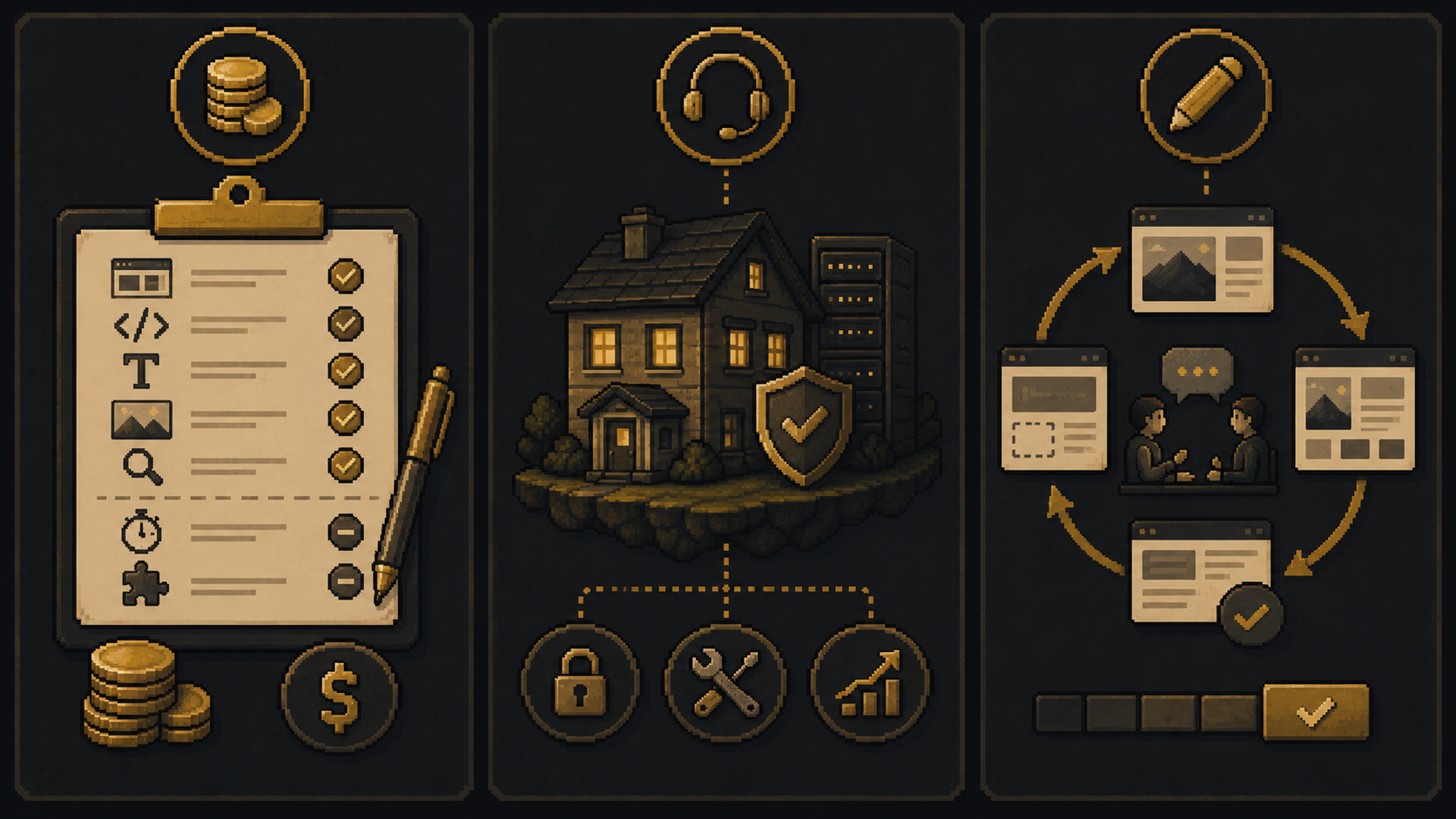
9. What is included in the price, and what triggers extra costs?
This question prevents a large category of project disputes. Some quotes include design and development but not copywriting, photography, or SEO setup. Some include a set number of revision rounds and charge hourly beyond that. Get a written scope that lists specifically what is included and what is not before you sign. Not a verbal summary. A written document.
10. What does ongoing support look like after the site goes live?
A website is not finished at launch. It needs security updates, content changes, occasional technical fixes, and ongoing optimization. Some designers offer monthly maintenance retainers. Others provide a support period and then hand off. Either model can work. What doesn't work is discovering after launch that any small change costs you a minimum of two hours at their hourly rate.
11. What is your revision policy?
How many rounds of revisions are included? What counts as a revision versus a scope change? What happens when you have feedback after the revision rounds are used up? Good designers have clear answers because they have had these conversations before and know that clarity protects both sides.

The Final Question
12. What do you need from me to make this project successful?
This question does two things. It tells you what your responsibilities are: providing content, feedback within agreed timeframes, access to brand assets, timely approvals. And it tells you something about the designer. A professional who has done this many times knows exactly what slows projects down. They will give you a clear, specific answer.
A designer who doesn't have a clear answer to this question hasn't thought carefully enough about the client's role in the process.
How to Use These Questions
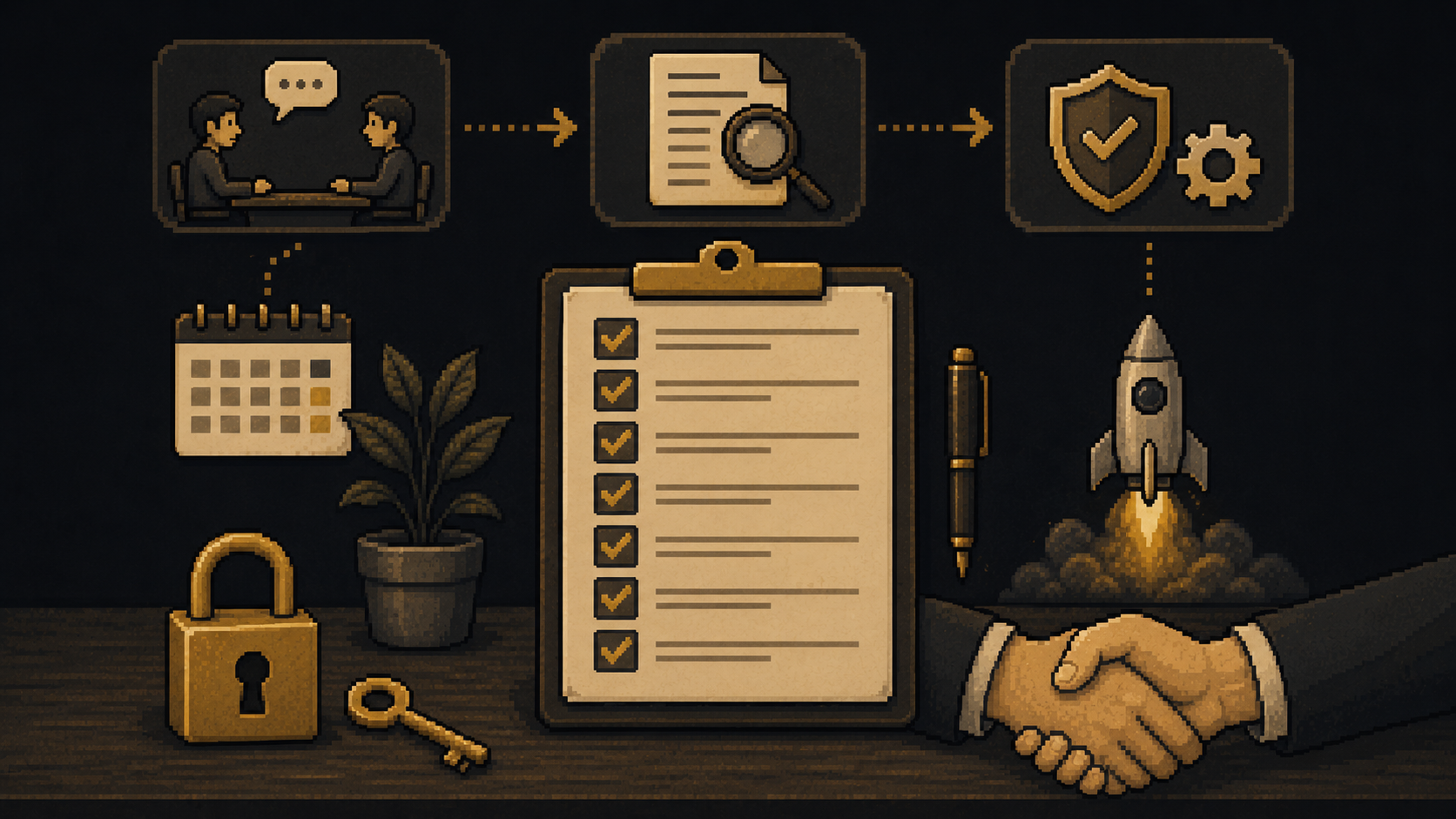
You don't need to ask all twelve in a single meeting. The early questions belong in the first conversation. The ownership and contract questions belong before you sign. The support and revision questions belong in the proposal review.
The goal is not to interrogate a designer. It is to have an honest, substantive conversation before committing your budget to a project that will represent your business for the next three to five years.
A designer who welcomes these questions is a professional. A designer who becomes defensive or evasive has told you something important.
Download this as your pre-signing checklist:
Before any contract is signed, confirm you have answers to all twelve. Any unanswered question is a risk you are accepting knowingly.

Frequently Asked Questions