Your homepage is doing one of two things right now. It is either helping the right people understand what you do and feel confident reaching out, or it is making them work too hard and sending them elsewhere.
Most homepages do the second thing without the business owner knowing. They look fine. They feel professional. But when you read them through the eyes of someone who has never heard of you before, they don't answer the questions that actually matter.
A homepage that converts is not about clever writing or impressive design. It is about answering the right questions, in the right order, before the visitor loses interest. This guide walks you through exactly what those questions are and what your homepage needs to say to answer them.
The Four Questions Every Visitor Asks
What do people want to know when they land on a homepage?
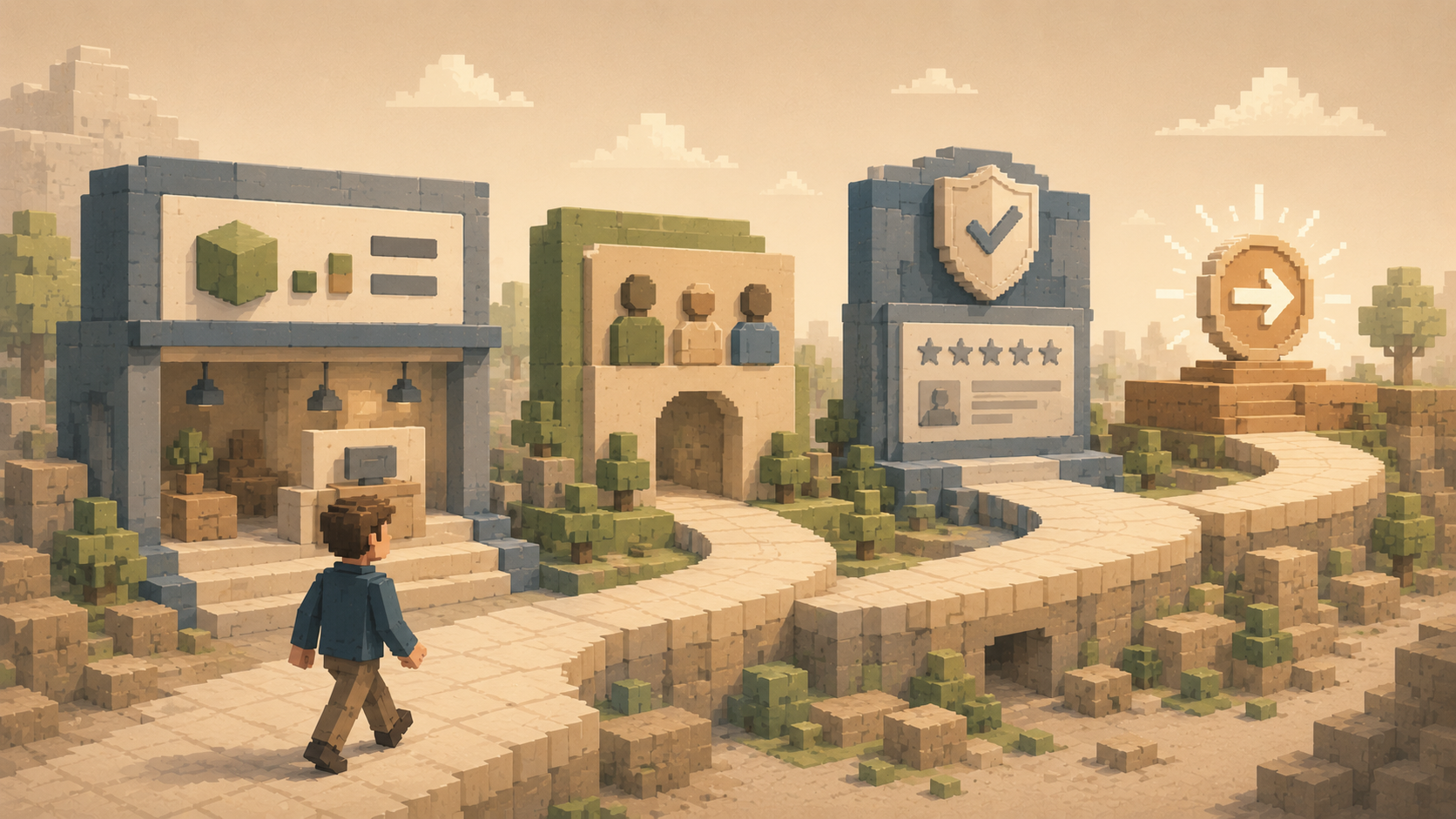
When someone lands on your homepage for the first time, they are silently asking four questions. They don't articulate them. They just feel the answers or they don't, and they stay or they leave.
1. What does this business do?
This sounds too simple to get wrong. It gets wrong constantly. Vague positioning statements, metaphor-heavy taglines, and clever phrases that prioritize sounding good over being understood all business websites fail this test.
2. Is this for someone like me?
A visitor who isn't sure your business serves people like them will not reach out to ask. They will leave. Your homepage needs to signal clearly who you work with.
3. Can I trust this business?
Trust is established before the second scroll. Website design quality, social proof, and the credibility of your content all contribute to the answer a visitor reaches in the first few seconds.
4. What do I do next?
If the answer to this question requires effort to find, you lose people. The next step should be obvious, visible, and clearly stated.
Your homepage exists to answer these four questions quickly and confidently. Everything else is secondary.
Quick self-test:
Read your homepage from top to bottom as if you've never heard of your business. Check off each question as you find the answer. If you get to the bottom without finding all four, you have identified exactly where your homepage is losing visitors.

The Hero Section: The Most Important Real Estate on Your Site
What should the top of my homepage say?
The hero section is the area of your homepage visible without scrolling. It is the first thing anyone sees when they land on your page. Your hero section is the first and often the only thing a visitor evaluates before deciding whether to stay. It needs to communicate relevance and credibility before a conscious thought has formed.
It needs three things: a clear headline, a supporting line, and a primary call to action.
The headline answers what you do and who you help, in one sentence. It is not a slogan. It is not a brand statement. It is a clear, specific description of your offer and your audience.
Weak: "Building better experiences for a better tomorrow." Stronger: "We build websites that help service businesses get more clients from search."
The headline doesn't need to be clever. It needs to be understood by someone who has never heard of you, in under three seconds.
The supporting line adds context. It can name the specific result you deliver, the type of client you work with, or address a specific pain point. One or two sentences, not a paragraph.
The primary call to action tells visitors what to do next. It should be visible in the hero section without scrolling, on both desktop and mobile. "Book a free strategy call" works. "Get started" does not tell visitors enough to act on.
The headline formula that works consistently: We help [specific type of client] [achieve specific outcome] through [what you do].
Apply this to your own business. Rewrite your headline using this structure. Then trim it to the shortest version that still makes sense. That is your starting point.
What Comes After the Hero
How should a homepage be structured to convert visitors?
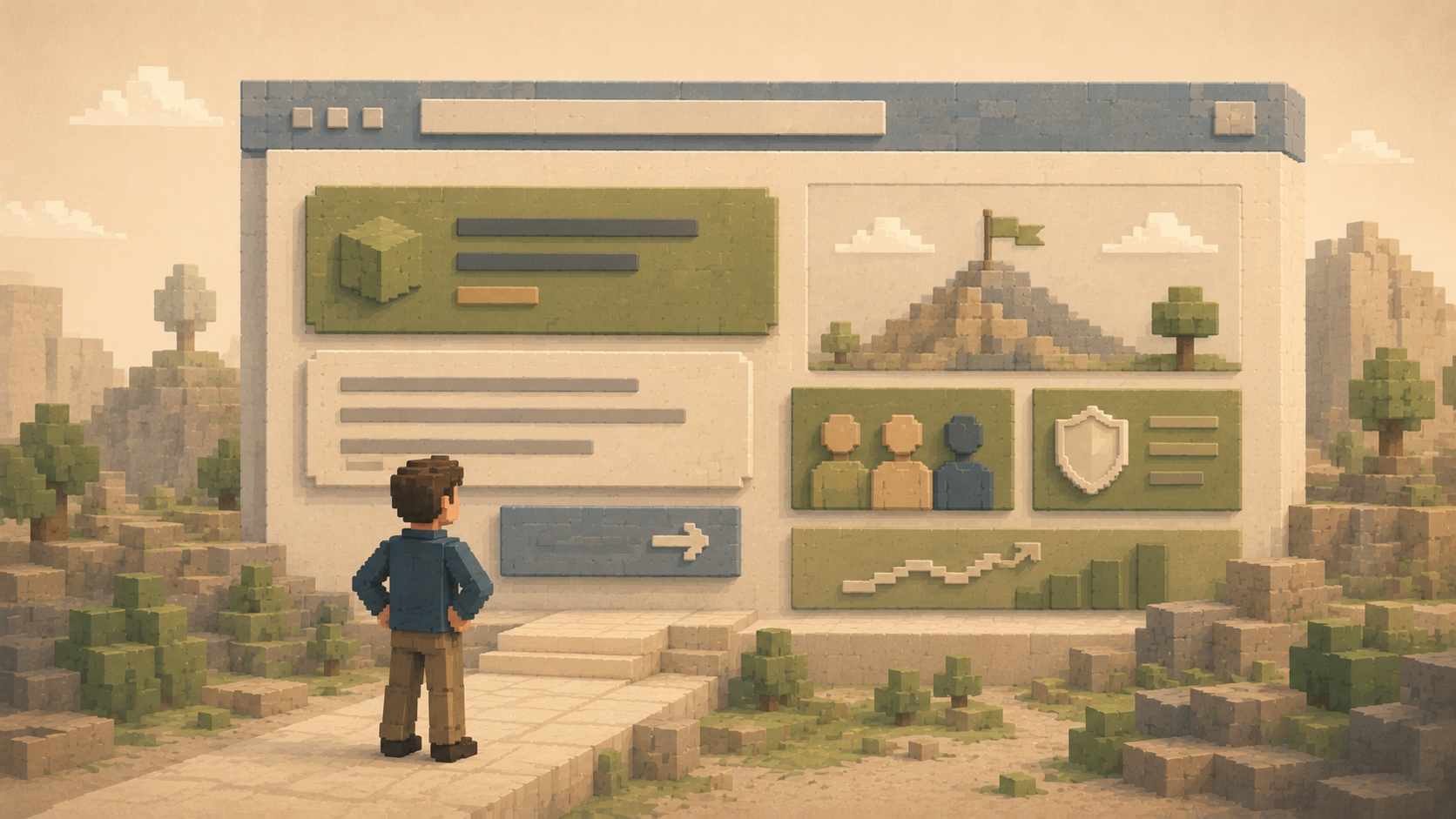
After the hero, your homepage has one job: guide visitors from interest to trust to action. Most homepages lose people somewhere in that sequence because they present information in the wrong order.
Here is an order that works consistently for service businesses:
Problem or outcome statement.
A short section that names the problem your clients face or the outcome they are looking for. When a visitor reads this and thinks "yes, that's exactly my situation," they are engaged. This is the moment your homepage stops feeling like a brochure and starts feeling like a conversation.
What you do and how it works.
A clear, plain-language description of your service. Not a list of features. A description of what the client experiences and what they get at the end. People hire outcomes, not processes.
Social proof.
Specific testimonials from real clients with real results. Logos of businesses you have worked with. A case study or two. This section should come after the reader is interested but before you ask them to act again, because trust needs to be established before website conversion.
Secondary call to action.
Another opportunity to take the next step, for the readers who needed a bit more context before deciding. This can mirror the primary call to action or offer a slightly different entry point, like a portfolio link for someone who wants to see your work before booking a call.
The Words That Lose People
What website copy mistakes push visitors away?
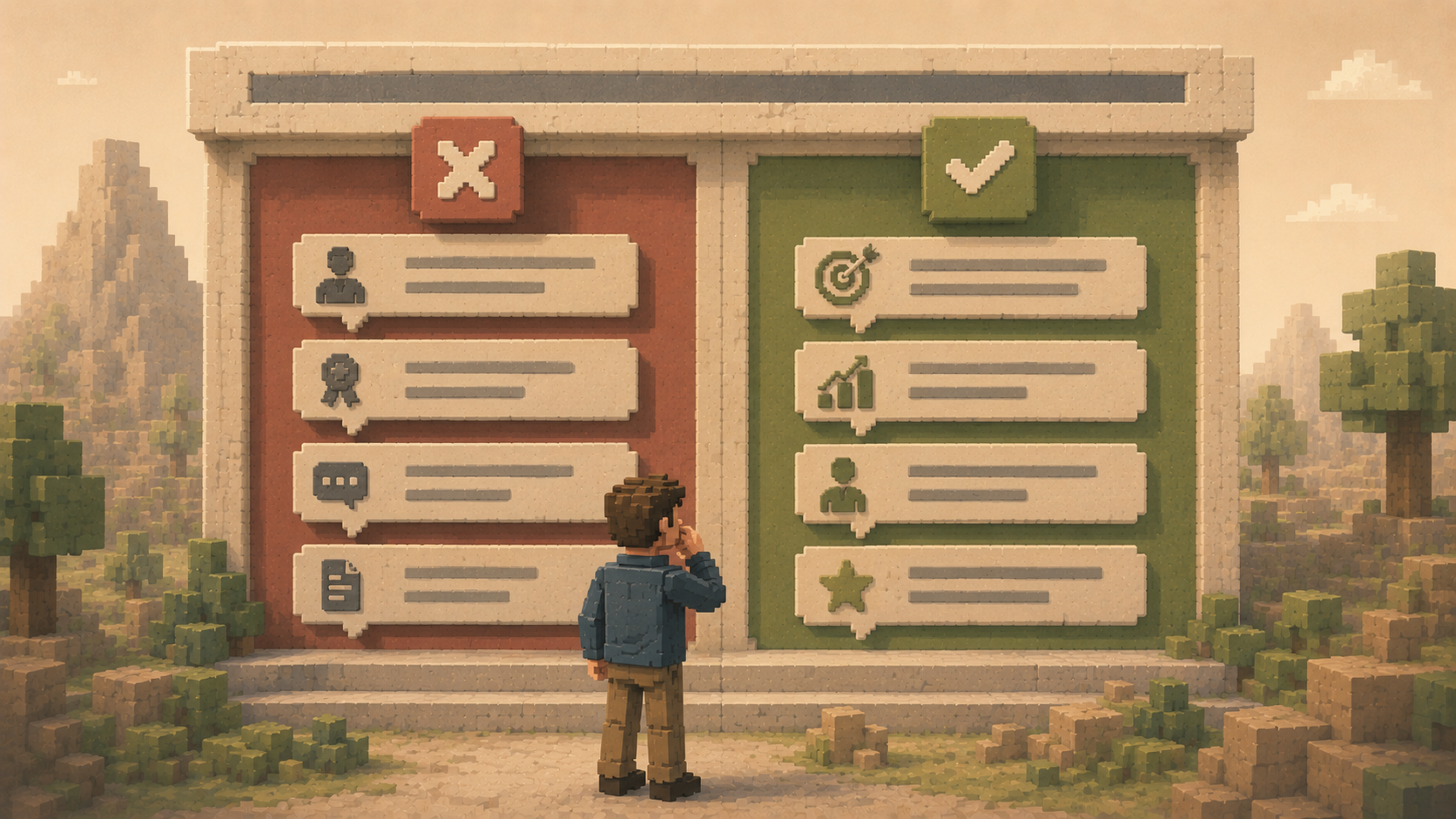
There are specific patterns of language that appear on almost every underperforming homepage. Learning to recognize them in your own copy is one of the fastest ways to improve.
Talking about yourself instead of the client.
Phrases like "we are passionate about," "our team has years of experience," and "we believe in delivering excellence" are all inward-facing. They say nothing about what the client gets. Every sentence on your homepage can be tested with this question: is this about us, or is it about what the client experiences?
Vague, generic value claims.
"High quality," "reliable," "professional," and "innovative" appear on nearly every website in every industry. They mean nothing because everyone says them. Specificity is what builds trust. "We build websites that load in under two seconds and are structured for Google from day one" is specific. "We deliver quality digital solutions" is forgettable.
Industry jargon.
Terms that feel natural inside your industry often mean nothing to the client standing outside it. Read your homepage copy out loud. If a sentence would confuse a smart person who knows nothing about your field, rewrite it in simpler language.
Missing the so what.
A feature without a benefit is half a sentence. "Mobile-optimized website design" is a feature. "So your clients can find and contact you from their phone, which is how most people search now" is the benefit. Business owners respond to benefits. Lead with what the feature means for them.
The copy self-audit:
Go through your homepage paragraph by paragraph. For each sentence, ask: am I talking about us or am I talking about what the client gets? Cross out every sentence that is purely about you. What remains is the foundation of a homepage that converts.
The About Page People Actually Read
What should my About page say?
The About page is consistently one of the most visited pages on any business website. Visitors go there to figure out who they are dealing with before they commit to reaching out.
Most About pages are structured as a company history or a resumé. They list founding dates, team credentials, and service philosophies in language that sounds like it was written for a board presentation.
What visitors actually want to know is simpler: is there a real person behind this business? Do they understand my situation? Can I trust them with something important to me?
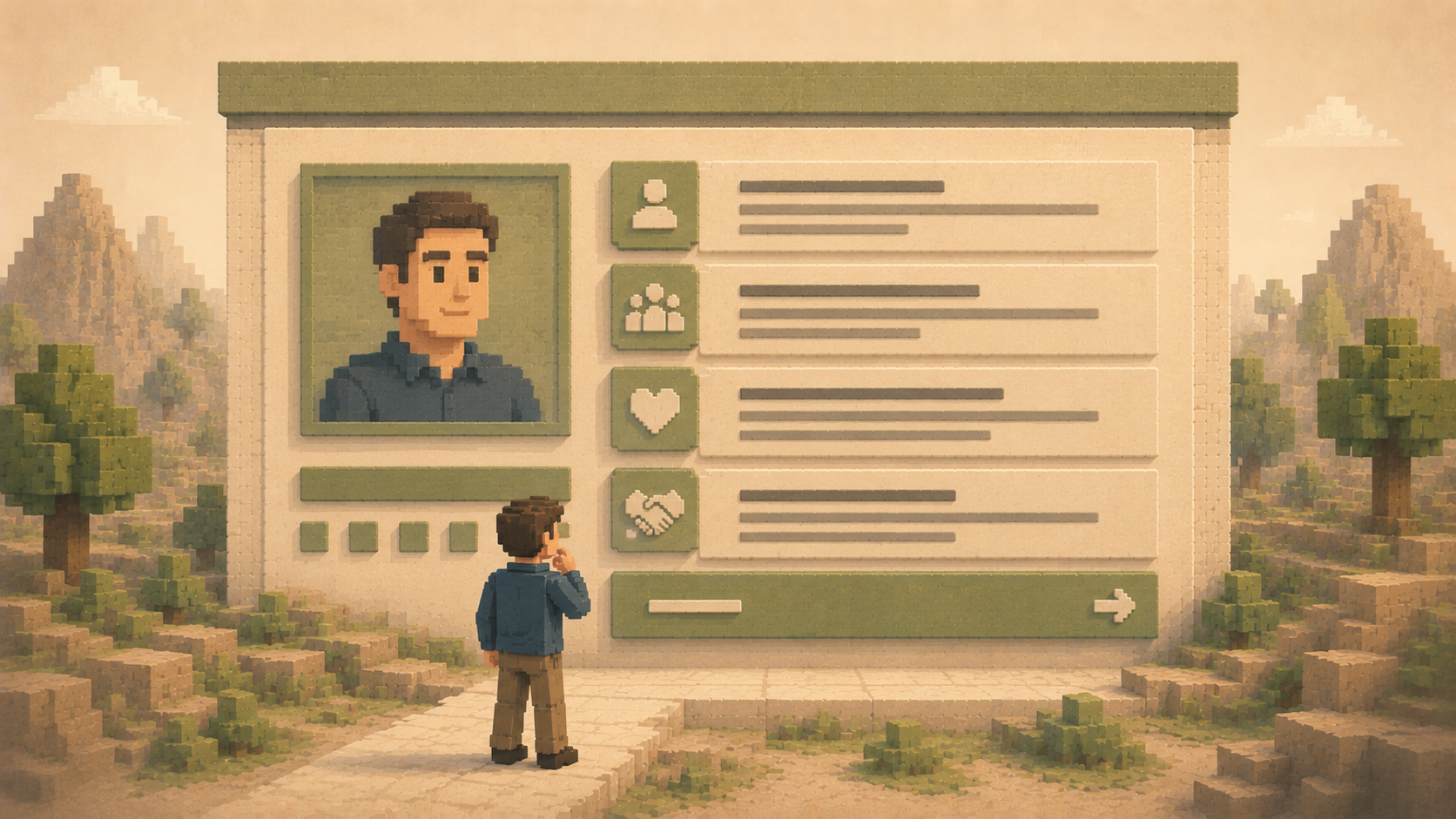
An About page that answers those questions includes a real photo, not a stock image of a smiling generic person. A name. A clear statement of who you work with and why you do this work. And a moment of honesty or perspective that signals a real person wrote it.
The goal of your About page is not to impress visitors. It is to make them comfortable reaching out.
About page formula:
- Who you are and what you do: one sentence
- Who you specifically help and what changes for them: two sentences
- Why you do this work, in human language: two to three sentences
- What working with you looks like: one to two sentences
- A call to action: one line
That is the entire About page. Everything beyond it is optional.
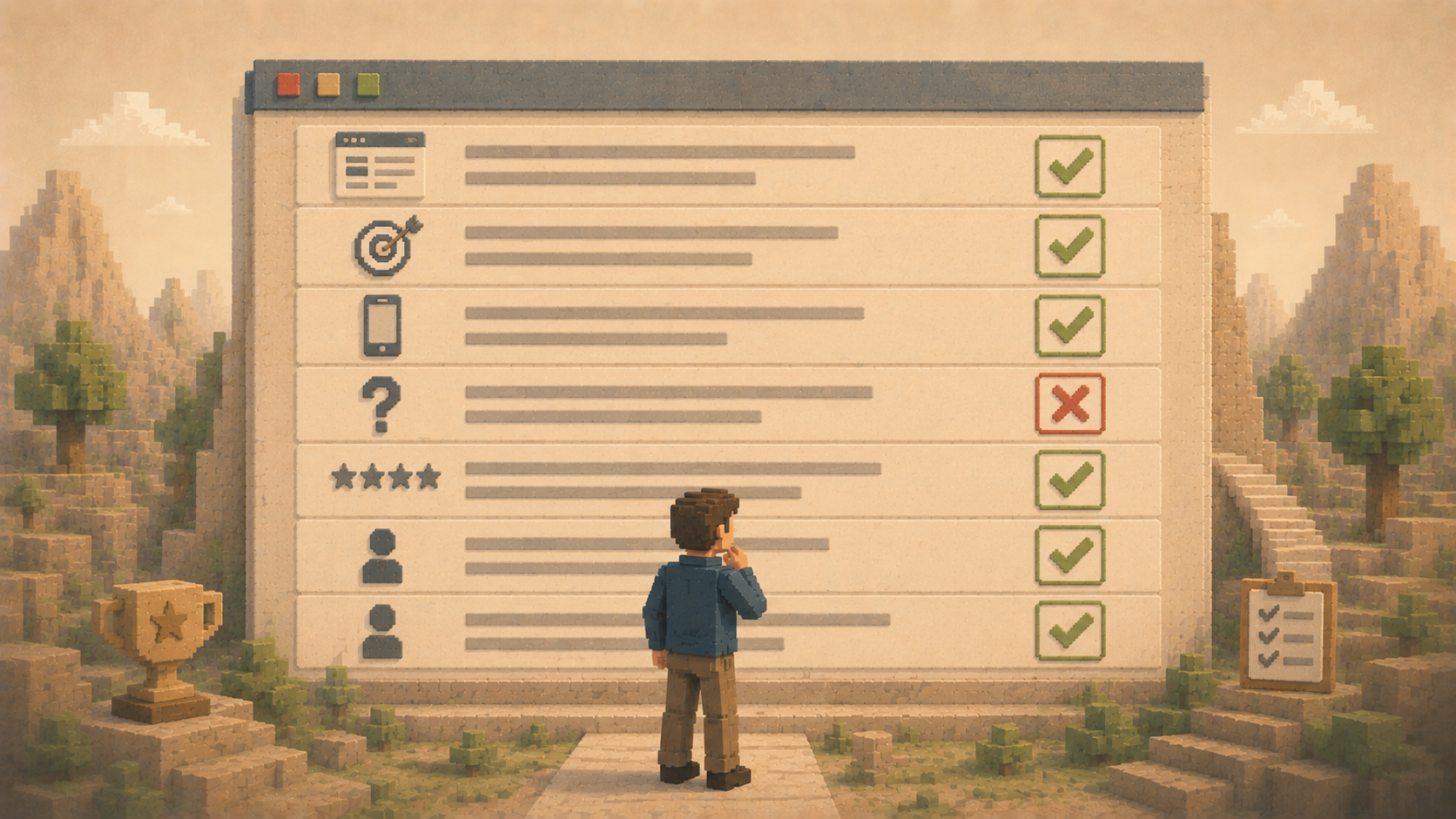
Your Homepage Copy Checklist
Before publishing or redesigning anything, run through this list.
- Does your headline answer what you do and who you help in one sentence?
- Is your supporting line specific about the outcome or client type?
- Is your primary call to action visible without scrolling on mobile?
- Does your problem or outcome section name a specific pain point your client recognizes?
- Do you have at least two specific, outcome-based testimonials visible before the fold?
- Does every paragraph pass the "is this about us or the client" test?
- Can your About page be read in under sixty seconds and leave the reader feeling like they know a real person?
Score yourself. Any no is a specific fix waiting to happen.

Frequently Asked Questions