If you have spent any time researching how to get your business found online in 2026, you have probably encountered four acronyms that seem to multiply every time you look: SEO, AEO, GEO, and AIO. Most explanations treat them as interchangeable or assume you already know what each one means.
They are not interchangeable. Each one addresses a different part of how your business gets found, understood, and recommended, and each one fails without the others supporting it.
This article is the orientation guide. It gives you a clear, plain-language definition of each layer, explains how they relate to each other, and helps you identify which one your business needs to prioritize right now. For a deeper explanation of any specific layer, follow the links at the end of each section.

Why Four Layers Exist Instead of One
Do I need AEO and GEO if I already do SEO?
Yes. Traditional SEO was designed for a world where search engines returned lists of links. The goal was to appear near the top of that list. AI search works differently. AI tools synthesize information and produce a direct recommendation. The signals they use go beyond whether a page ranks well technically.
Each of the four layers addresses one of these distinct requirements. Treating them as a single strategy leaves meaningful visibility on the table.

Layer 1: SEO
What does SEO do in 2026?
SEO is the technical foundation that makes your website readable and rankable by search engines. Without it, nothing else works.
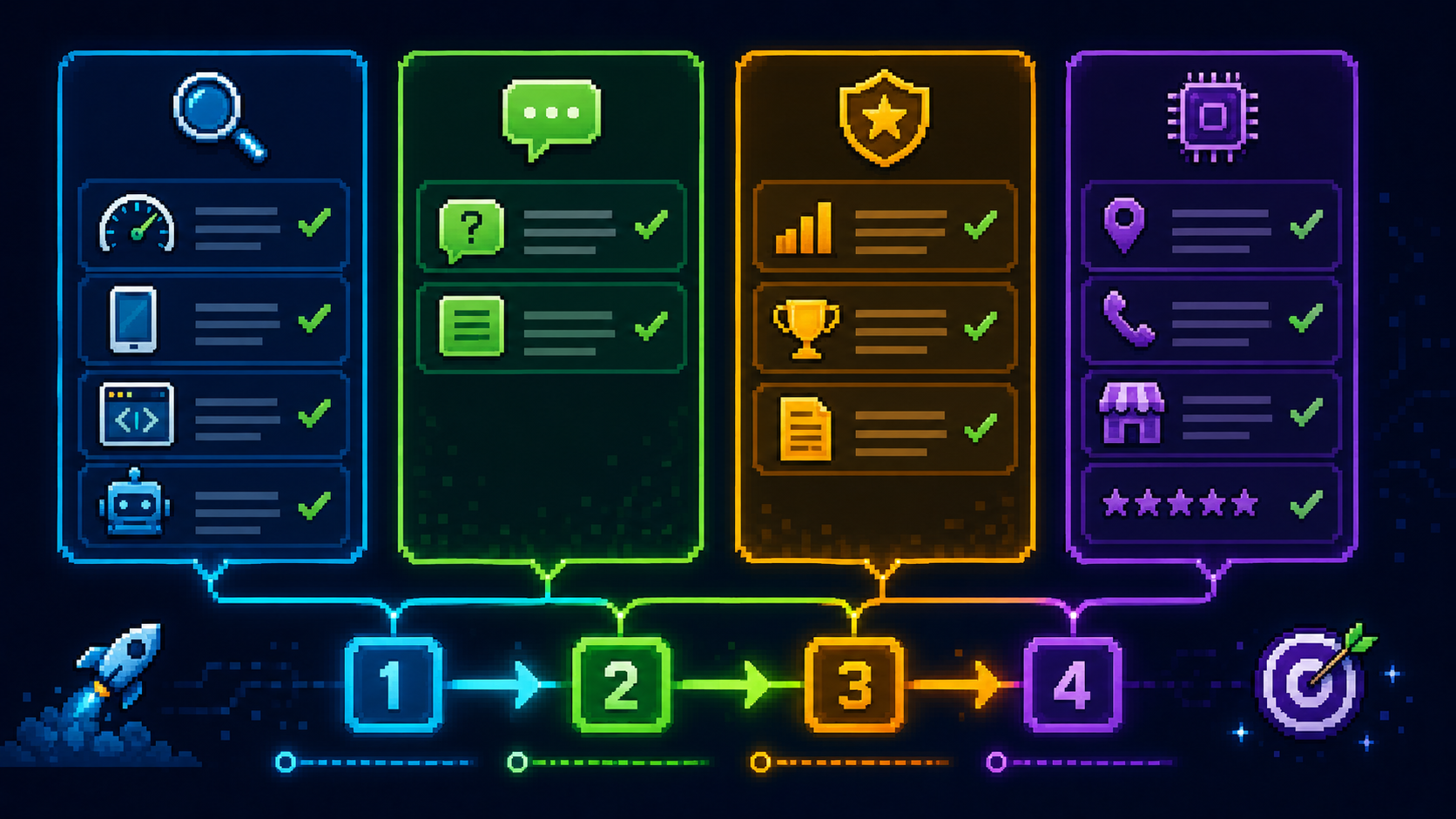
Fast load times. Mobile-first design. Clean heading structure. Properly written meta titles and descriptions. An XML sitemap. A robots.txt file that allows AI crawlers to read your content. These are the baseline signals that both Google and AI tools use before they evaluate anything else on your site.
SEO is the floor, not the ceiling. Fix SEO before anything else. Then build the other layers on top of it.
Go deeper:
What Is SEO and Does It Still Matter in 2026?
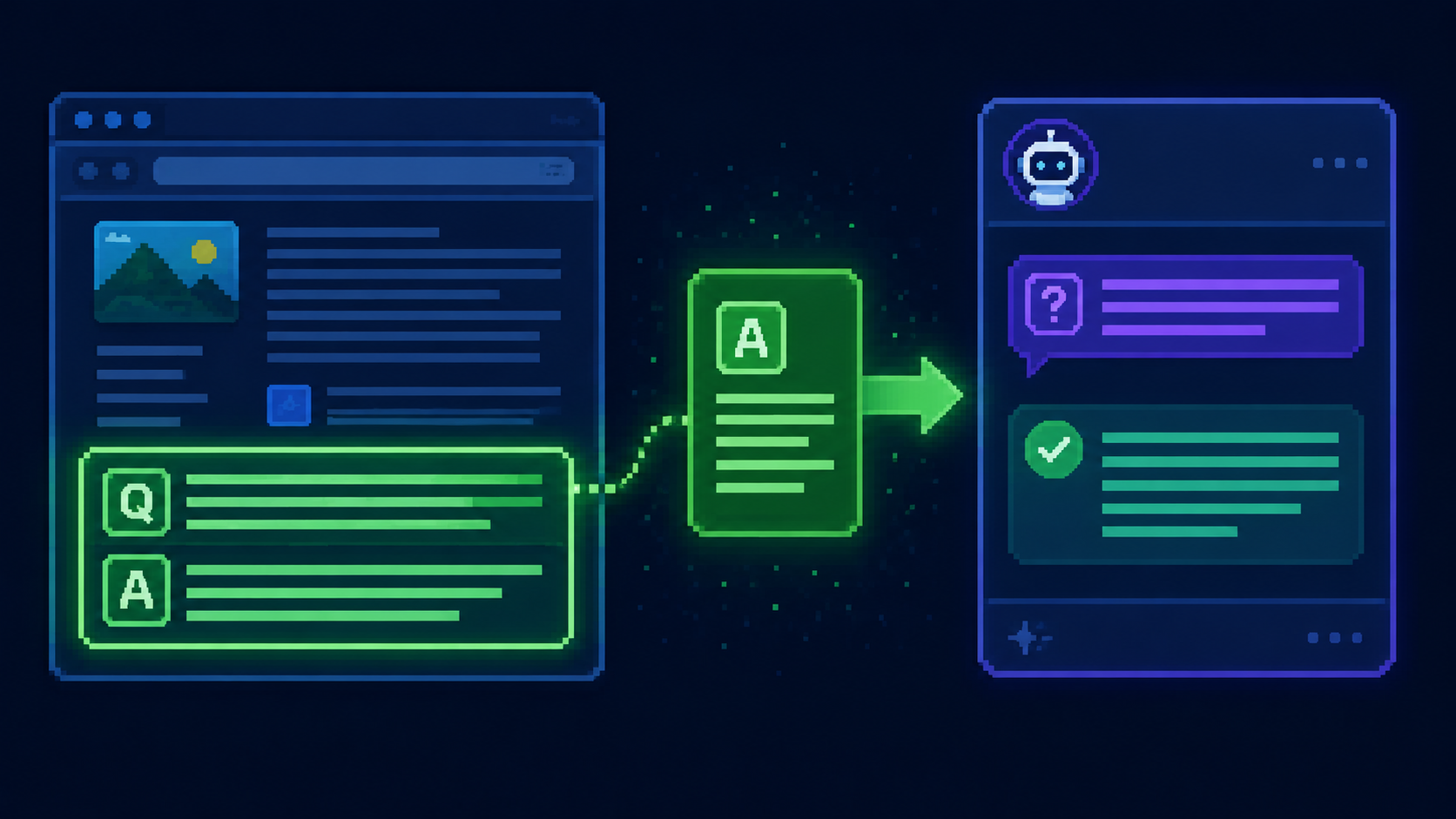
Layer 2: AEO
What is AEO and what does it do?
AEO, Answer Engine Optimization, is the practice of structuring your content so that AI tools can extract a complete, direct answer from a single section of your page without needing the surrounding context to make it understandable.
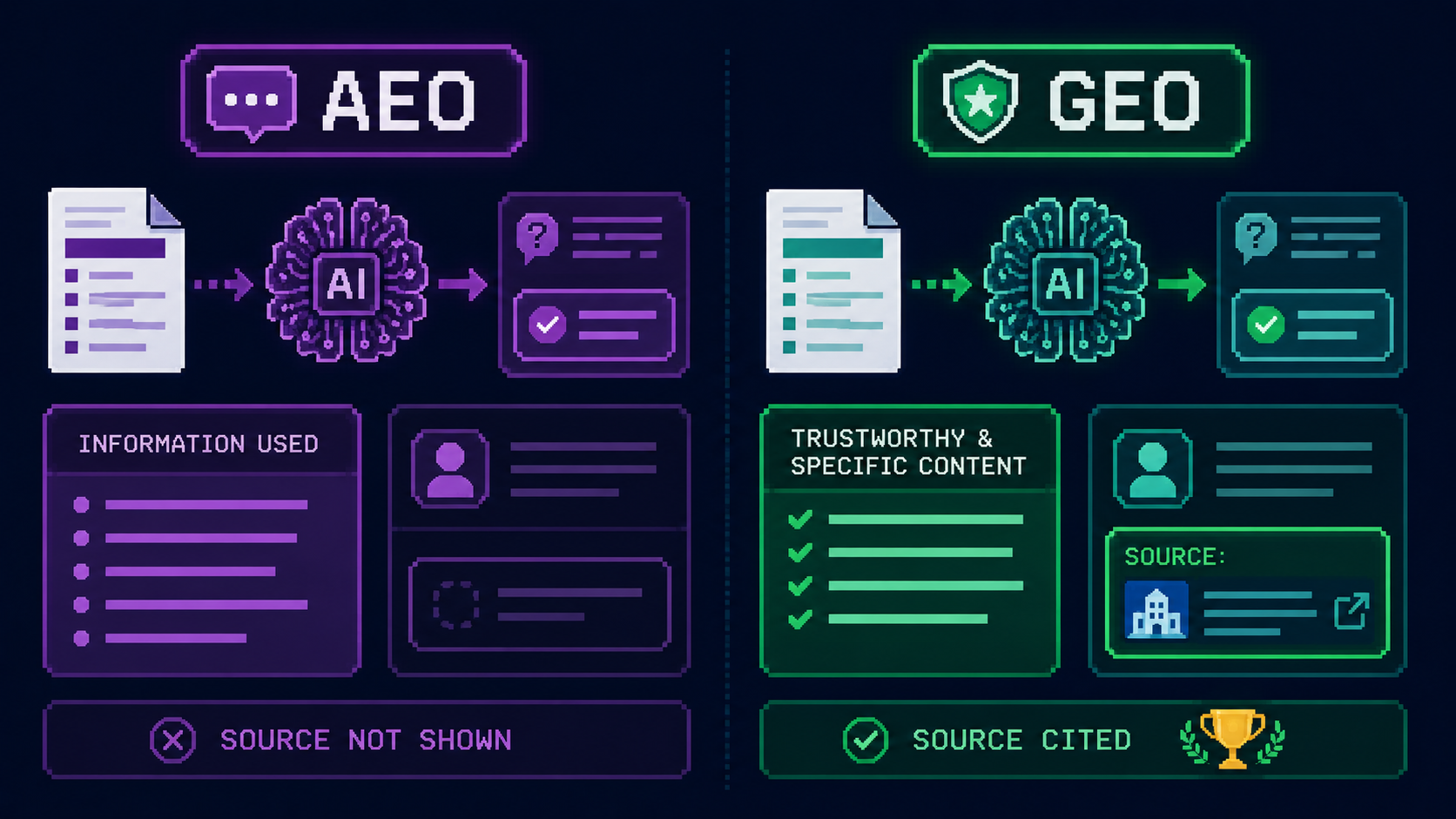
AEO gets you into AI answers. It does not necessarily get you credited as the source. That is GEO's job.
Go deeper:
What Is AEO (Answer Engine Optimization) and How Does It Work?
Layer 3: GEO
What is GEO and how is it different from AEO?
GEO, Generative Engine Optimization, is the practice of writing content so specific and authoritative that AI tools cite your website by name as the source of an answer, not just use the information anonymously.
The distinction between AEO and GEO is the difference between being indexed and being credited. AEO gets your content read and used. GEO gets your business named as the source.
Go deeper:
What Is GEO (Generative Engine Optimization) and Why It Is Different From AEO?

Layer 4: AIO
What is AIO and why does it matter?
AIO, AI Indexing Optimization, is the practice of making your business a consistent, recognizable entity across every platform AI tools read, so that every system that indexes the internet sees the same clear, credible business and trusts it enough to recommend it.
SEO makes your site readable. AEO makes your content extractable. GEO makes your content citable. AIO makes your business verifiable. All four are required for consistent AI visibility.
Go deeper:
What Is AIO (AI Indexing Optimization) and How Do You Build It?
Which One to Prioritize First
Which layer should my business focus on first?
Use this four-question self-assessment to identify your starting point.
SEO check:
Does your site load in under three seconds on mobile? Does every page have a clear H1, proper meta title, and meta description? Is your robots.txt file not blocking AI crawlers? If no to any of these, start with SEO before touching anything else.
AEO check:
Do you have FAQ sections on your key service pages that answer specific buyer questions with complete answers in the first sentence? If no, AEO is your next priority.
GEO check:
Does any content on your website contain specific statistics, named methodologies, concrete examples from your own work, or verifiable claims that another business in your category could not have written? If your content is mostly generic, GEO is your gap.
AIO check:
Is your business name, address, phone number, and service description identical across your website, Google Business Profile, and at least three directory listings? Do you have active, recent reviews on Google? If no to either, AIO needs attention.
The priority order that produces the fastest results: fix SEO first, implement AEO second, build AIO third, layer in GEO continuously as you produce content.

Frequently Asked Questions