Perplexity is the most transparent AI search platform available right now. Unlike ChatGPT, which generates answers and sometimes shows sources, and unlike Google AI Overviews, which cite sources in a condensed format, Perplexity shows its sources prominently alongside every answer it generates. That transparency makes it uniquely useful for understanding how AI tools actually read and cite websites.
When someone uses Perplexity to ask about your service category, Perplexity shows exactly which websites it drew from. You can see whether your site appeared. You can see which competitors appeared instead. You can see which publications and directories influenced the answer. This makes Perplexity the most diagnostic AI search platform for a business owner trying to understand their AI visibility.
But before you can appear in Perplexity's answers, Perplexity first has to read your website. Here is exactly what that process looks like and what determines whether your content makes it into Perplexity's recommendations.
The Crawler Behind the Curtain
What is PerplexityBot and how does it work?
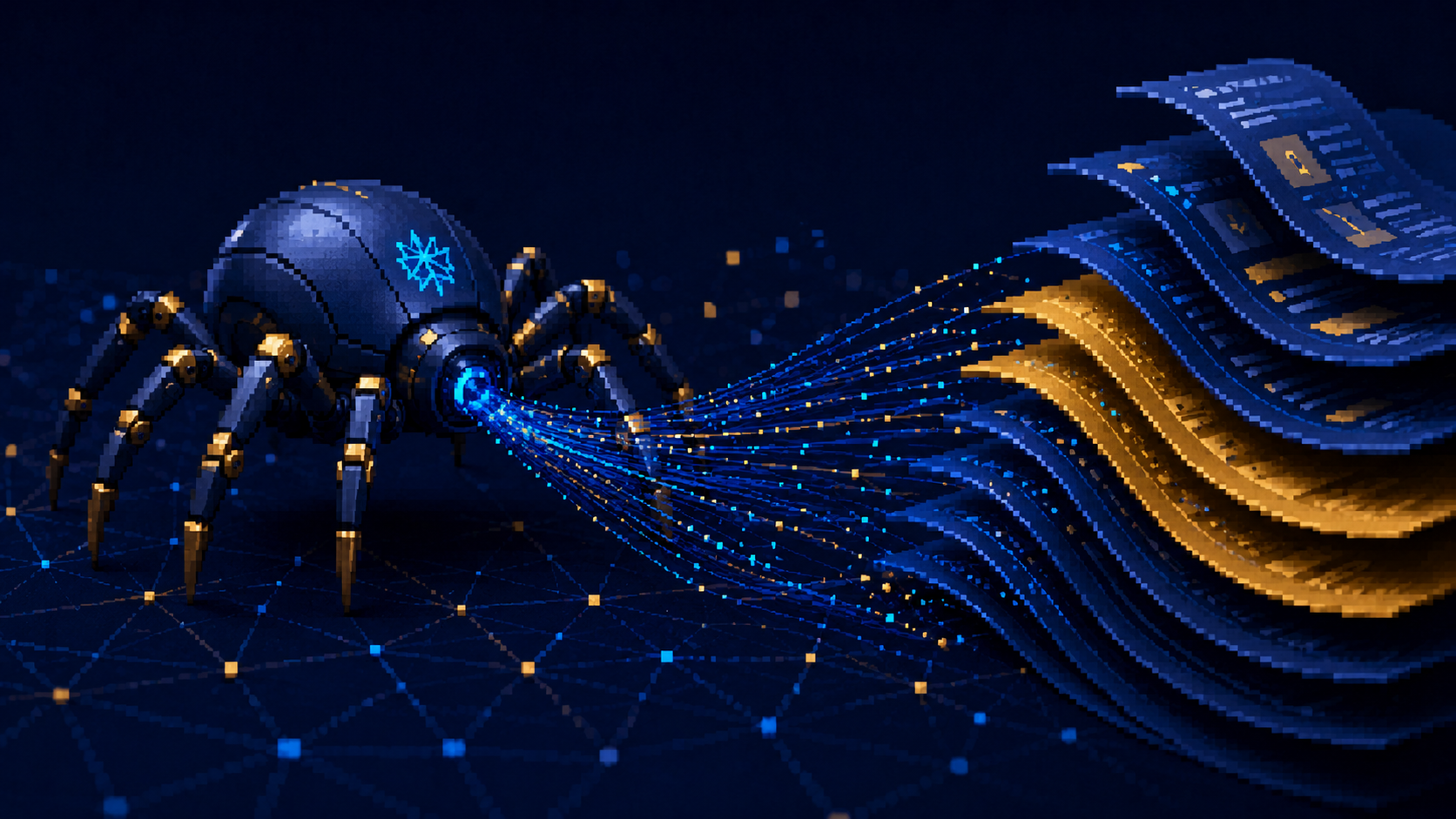
PerplexityBot is a web crawler operated by Perplexity. It functions as an AI search crawler that indexes web content to power Perplexity's search results. The bot is designed specifically to surface and link websites in search results on Perplexity's platform.
PerplexityBot crawls the web just like Googlebot does for Google. It visits your homepage, reads the content, follows links to other pages, and repeats the process. But here is the difference: PerplexityBot is not trying to rank your pages in a list. It is building a citation database that Perplexity's AI can reference when answering questions.
When someone asks Perplexity a question about your category, Perplexity searches its citation index, built by PerplexityBot, and finds relevant articles, pages, and listings. Then it generates an answer and cites those sources with visible links. This is why appearing in Perplexity results is simultaneously an AI visibility outcome and a direct traffic source. Perplexity readers who see your business cited can click directly to your website.
Without PerplexityBot doing the crawling work, Perplexity would not know your website exists. Blocking it is like hanging a Do Not Enter sign for a search engine that could be sending you qualified traffic.

Does Perplexity Actually Read My Website?
How do I know if PerplexityBot has visited my site?
The most direct way to check is to look at your server logs. You can verify crawling activity by monitoring server logs for the user agent string: Mozilla/5.0 AppleWebKit/537.36 (KHTML, like Gecko; compatible; PerplexityBot/1.0; +https://perplexity.ai/perplexitybot)
If you see this user agent string in your logs, PerplexityBot has visited your site. The frequency of visits tells you how often Perplexity is recrawling your content for updates.
If you do not see this user agent string at all, one of three things is happening. PerplexityBot has not yet discovered your site. PerplexityBot is blocked by your robots.txt file. Or your site has very little content that Perplexity considers worth indexing.
Your hosting provider or developer can help you access and read server logs. Alternatively, tools like Cloudflare and Netlify provide traffic analytics that show bot activity, including AI crawlers.

The Two Types of Perplexity Crawlers
Are there different Perplexity crawlers I need to know about?
Yes, and the distinction matters. Perplexity operates two distinct crawlers with different behaviors. PerplexityBot is the platform's automated crawler that follows links, reads robots.txt, and uses public signals like sitemaps to map your site's structure for its curated index. Perplexity-User is a user-triggered agent, active when someone uses Perplexity Pro features to explore a specific URL. These visits do not follow robots.txt and act more like real-time browsing.
For AI visibility purposes, PerplexityBot is the one that matters. It is the crawler that builds the index Perplexity uses for all standard search results. Perplexity-User visits are triggered by individual users who ask Perplexity to analyze a specific URL and are not part of the recommendation algorithm in the same way.

The robots.txt Question: Are You Accidentally Blocking Perplexity?
Does Perplexity respect my robots.txt file?
Yes. Perplexity respects robots.txt directives. PerplexityBot will not index the full or partial text content of any site that disallows it via robots.txt. However, if a page is blocked, Perplexity may still index the domain, headline, and a brief factual summary.
This is an important nuance. Blocking PerplexityBot does not make you completely invisible on Perplexity. Perplexity may still show your business name, your website URL, and a very brief description pulled from publicly available signals like your meta description. But it will not be able to read your actual content, extract your answers, or cite specific pages. You can appear as a bare citation, named but not quoted.
The difference between a bare citation and a full citation is significant. A full citation means Perplexity pulled specific content from your page and referenced it as the source of an answer. This drives meaningful traffic and builds authority. A bare citation means your name appears but your content is not referenced. This drives almost no traffic and builds almost no authority.
Check yours right now:
Type your domain followed by /robots.txt into your browser. Look for any lines that say Disallow: / under a PerplexityBot section. If that line exists, PerplexityBot cannot read your content. The fix is to add an explicit Allow rule for PerplexityBot, which a developer can implement in under ten minutes.

What Perplexity Looks for When It Crawls
What makes Perplexity choose to cite one website over another?
Unlike Google, Perplexity does not index everything it finds. It uses a curated index, meaning only clear, authoritative, and accessible content makes the cut.
The four factors that most influence whether PerplexityBot indexes and subsequently cites a page are these.
Content clarity.
Server-rendered HTML, clear headings, and FAQ and HowTo schema improve snippet extraction and citation likelihood. Content that is structured with clear H2 and H3 headings, direct answers in the first sentence of each section, and explicit FAQ sections is significantly more likely to be cited than content that buries answers in long paragraphs or requires reading multiple sections to understand the point.
Content freshness.
Even if PerplexityBot sees your site, it might skip over content that feels too shallow, unstructured, or stale. Perplexity favors recent, well-maintained content. An article last updated two years ago with no fresh data competes poorly against a more recently updated page covering the same topic.
Source authority.
Perplexity is more likely to cite pages that come from domains it considers authoritative in the relevant category. Authority is built through consistent, specific content, external mentions from credible sources, and a clean technical foundation.
Schema markup.
FAQ and HowTo schema improve snippet extraction and citation likelihood. Pages with proper FAQ schema give Perplexity a clearly labeled set of question-and-answer pairs that are straightforward to extract and cite. Pages without schema require Perplexity to figure out on its own where the question is and where the answer is, which produces less reliable extraction.

Why Perplexity Is Different From ChatGPT and Gemini
Is Perplexity the same as other AI search platforms?
No. Each major AI platform has meaningfully different source preferences and citation behavior.
Perplexity maintains its own curated index, built and updated by PerplexityBot. When you appear in Perplexity results, it is because PerplexityBot has crawled your site, deemed the content worth indexing, and Perplexity's retrieval logic matched your page to the query. The citation is almost always with a visible link, making it the most transparent of the major AI platforms.
ChatGPT Search uses Bing's index when browsing mode is active. This means optimizing for Bing matters for ChatGPT visibility in a way it does not for Perplexity. It also means that content not indexed by Bing may appear in Perplexity but not in ChatGPT Search.
Google AI Overviews draw from Google's own index and from Google Business Profile data. If you rank in Google, you have a better chance of appearing in Google AI Overviews. But Google ranking does not predict Perplexity or ChatGPT citation, and Perplexity citation does not predict Google AI Overviews appearance.
The foundational optimization work, schema markup, AI crawler access, answer-structured content, NAP consistency, improves your visibility across all three. But each platform has its own crawler, its own index, and its own retrieval logic. Tracking them separately and checking your visibility in each one independently gives you the most accurate picture of where you actually stand.

How to Make Your Website Perplexity-Ready
What do I need to do to appear in Perplexity search results?
Five specific actions cover the majority of what determines Perplexity visibility for a service business.
Allow PerplexityBot in your robots.txt.
This is the prerequisite. Nothing else matters if Perplexity cannot read your site.
Submit your sitemap.
Discovery comes from links, sitemaps especially with lastmod dates, and feeds. Submit your XML sitemap with accurate last-modified dates to help PerplexityBot find and prioritize your most important pages.
Use server-rendered HTML.
Server-rendered HTML significantly improves snippet extraction and citation likelihood. This is one of the reasons we build on Webflow at The PixelSeed Studio. Webflow delivers fully assembled server-rendered pages to every crawler on the first visit. Page builders on WordPress often deliver partially rendered pages that AI crawlers cannot fully read.
Structure your content with direct answers.
Every section heading should be a question. The first sentence of every section should be the complete answer. FAQ sections should appear on every key service page.
Add FAQ schema.
FAQ schema improves snippet extraction and citation likelihood significantly. It is the most direct technical signal that tells Perplexity your question-and-answer sections are structured for extraction.

Frequently Asked Questions