If you have ever searched Google and seen a box at the very top of the results page, above all the blue links, containing a direct answer to your question, you have seen a featured snippet. Marketers call it position zero because it sits above position one.
A featured snippet is a short answer box that appears at the very top of Google's search results, above the first organic listing. It pulls a chunk of content directly from a webpage and displays it alongside the page title and URL. Featured snippets appear in roughly 12% of Google searches and can earn more clicks than the number one organic result. In 2026, they also feed Google AI Overviews and AI chatbots like ChatGPT.
That last point is the most important one for understanding why featured snippets matter in 2026 beyond their direct traffic value.
The structural pattern that earns a snippet is the same pattern that earns a citation in an AI Overview, in ChatGPT, in Perplexity, or in Gemini. Writing for the snippet now writes for all three citation surfaces at once.
Optimizing for featured snippets is not just an SEO tactic. It is the foundational content structure that makes your pages visible across every search and AI surface simultaneously.

What Featured Snippets Are and How They Work
How does Google choose which page gets the featured snippet?
Google selects snippets automatically. You cannot pay for one or apply for one. What you can do is structure your content in a way that makes Google want to pick yours. Snippet positions earn between 20 and 35% of all clicks for that query, often more than the number one result beneath them.
Google evaluates pages for snippet eligibility based on specific content structure signals. The page must already rank on page one for the target query. It must contain content that directly answers the query in a format Google can extract. And the answer must be complete enough to be useful as a standalone response.
The key constraint is that 99% of featured snippet pages already rank on page one for that query. Google will not pull a snippet from a page buried on page three.
This means snippet optimization is most valuable when applied to pages that already have some ranking momentum. If you have pages on page one or in positions eight through fifteen for relevant queries, those pages are the highest-priority targets for snippet optimization. The structural changes required are often modest: rewriting the first paragraph of a section to directly answer the query question, and adding a clear H2 or H3 heading that matches how the query is phrased.
The Three Types of Featured Snippets
What types of featured snippets exist and which one should I target?
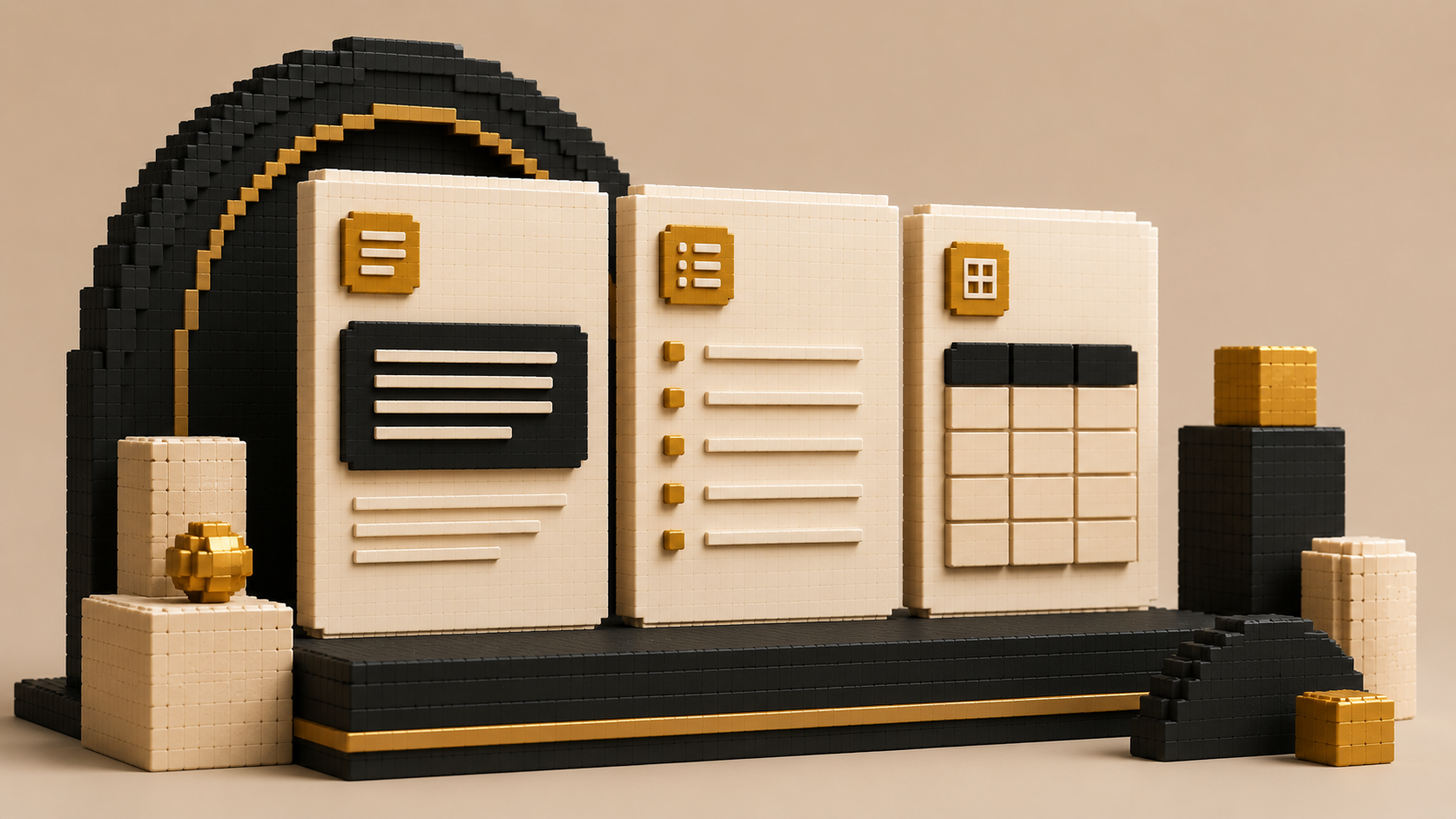
Google shows three primary featured snippet formats. Paragraph snippets answer what, why, and how questions with a direct text response of 40 to 60 words. List snippets answer step-by-step how-to questions or comparison questions with bulleted or numbered lists. Table snippets present comparison or data in structured table format. Paragraph snippets make up the majority and are the format most relevant to service businesses answering buyer questions.
For service businesses, paragraph snippets are the most common and most valuable format. They are triggered by the question-format queries that buyers type at every stage of their decision process: "what is AEO," "how do I choose a web designer," "what makes a website convert."
Each of those queries, when answered by a well-structured paragraph that leads with a complete, direct response, is a snippet opportunity. Each snippet earned is simultaneously a featured position in traditional Google results, a citation candidate in Google AI Overviews, and a potential source for AI tool recommendations.
The Content Structure That Earns Snippets
How do I structure content to get a featured snippet?
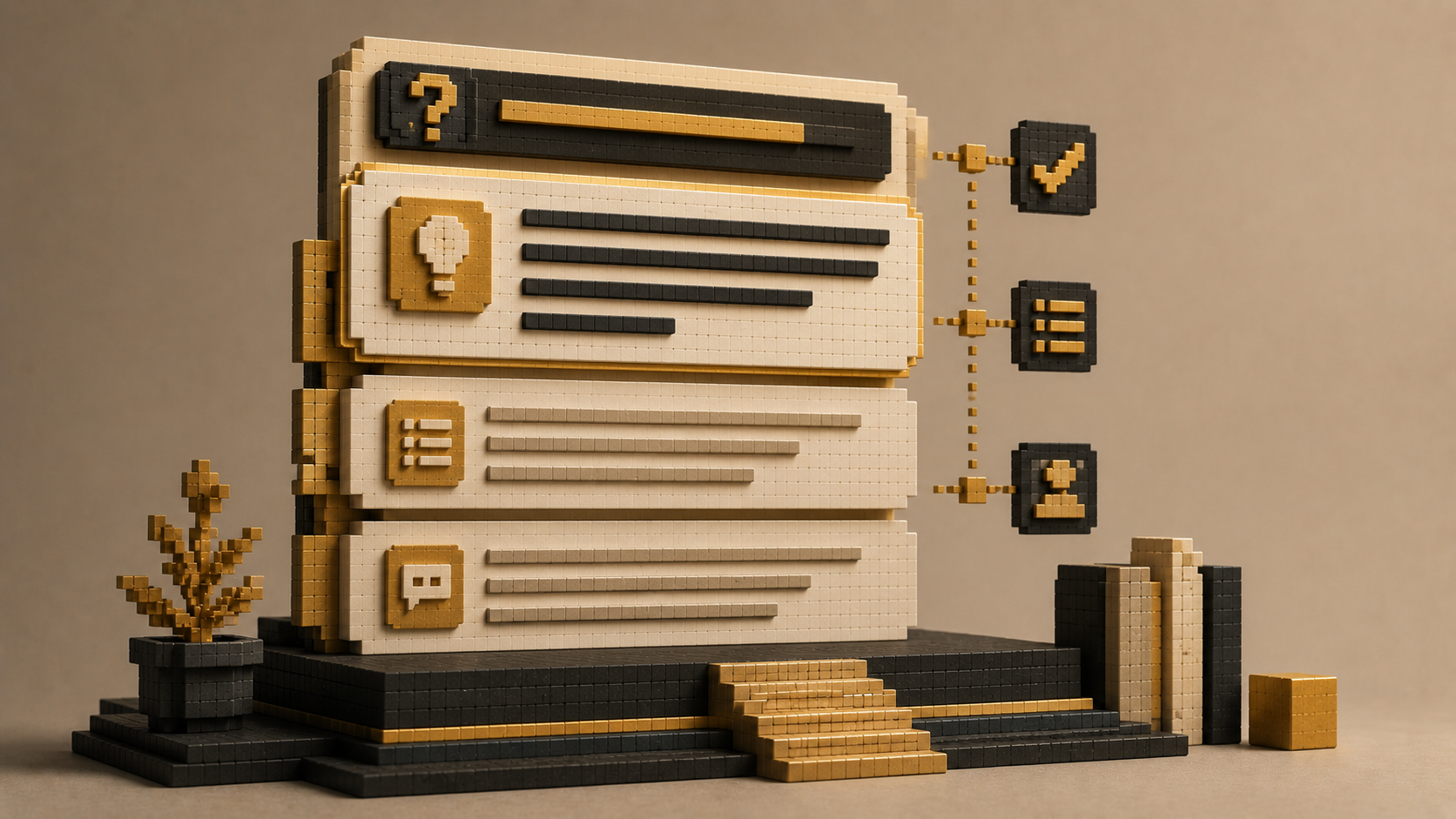
In 2026, Google's inverted pyramid structure preference means content with direct 40 to 60 word answers, scannable formatting, and clear headers wins position zero regardless of traditional ranking position.
The inverted pyramid approach means leading with the most important, complete information and following with supporting detail. Applied to snippet optimization:
The heading is phrased as a question that mirrors how the target query is actually typed. Not a topic label but a direct question.
The first paragraph of the section answers that question completely in 40 to 60 words. Complete means the paragraph makes full sense without reading anything else on the page. A reader who reads only that paragraph walks away with a usable, complete answer.
The following paragraphs provide supporting depth, evidence, examples, and nuance for human readers who want more.
This structure creates what snippet optimization practitioners call "answer blocks": clearly bounded sections where a specific question is asked in the heading and answered completely in the first paragraph. AI systems and Google's snippet algorithm identify these blocks and evaluate them for extraction.
A study by SEMrush shows that 32.3% of featured snippets come from content right after an H2 or H3 tag. The heading signals to Google where a new answer block begins.

How to Find Your Snippet Opportunities
Which of my pages should I optimize for featured snippets?
The highest-priority pages for snippet optimization are those already ranking in positions four through fifteen for question-format queries. These pages have proven relevance to Google but have not yet earned either the top position or a snippet.
Find these pages in Google Search Console. Go to Search Results, filter by page, and look for queries that contain question words (what, how, why, when, which) where your page appears but is not yet earning a snippet. Sort by impressions to find the highest-volume opportunities.
For each opportunity you identify, check the current content structure of that page. Does it have a heading that matches the query question? Does it have a 40 to 60 word answer block immediately after that heading? If not, adding these elements is the snippet optimization intervention.
One well-rewritten H2 with a clean answer block under it typically moves more traffic than three new posts. The fastest test is to find the page already earning impressions and rewrite its top heading.
The AI Visibility Bonus
How does getting a featured snippet help with AI search visibility?
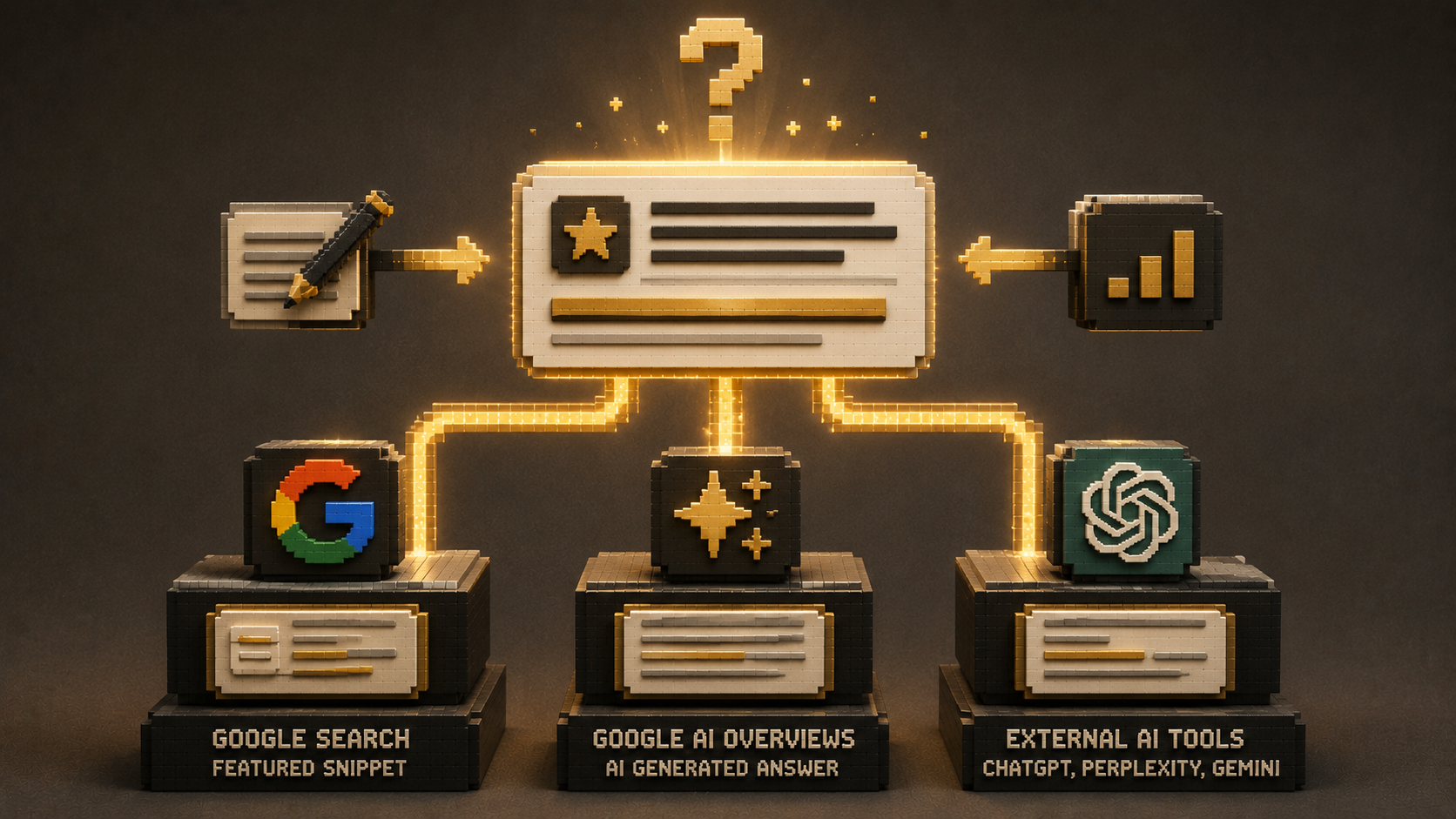
In 2026, the stakes of featured snippets are even higher. Google's AI Overviews draw heavily from snippet-optimized content. And external AI tools like ChatGPT use similar signals when pulling factual answers from the web. Optimizing for featured snippets effectively means optimizing for the entire AI-powered search landscape.
This is the dual-channel benefit that makes featured snippet optimization one of the highest-return content investments available to a service business in 2026. The same structural change, adding a question-format heading and a complete answer block, serves three citation surfaces simultaneously:
Google traditional search (featured snippet position)
Google AI Overviews (AI-generated answer citing your content)
External AI tools (ChatGPT, Perplexity, Gemini citing your content)
One rewrite. Three visibility channels. This efficiency is why featured snippet optimization deserves to be a standard part of every service page and every blog article rather than an afterthought.

Frequently Asked Questions